




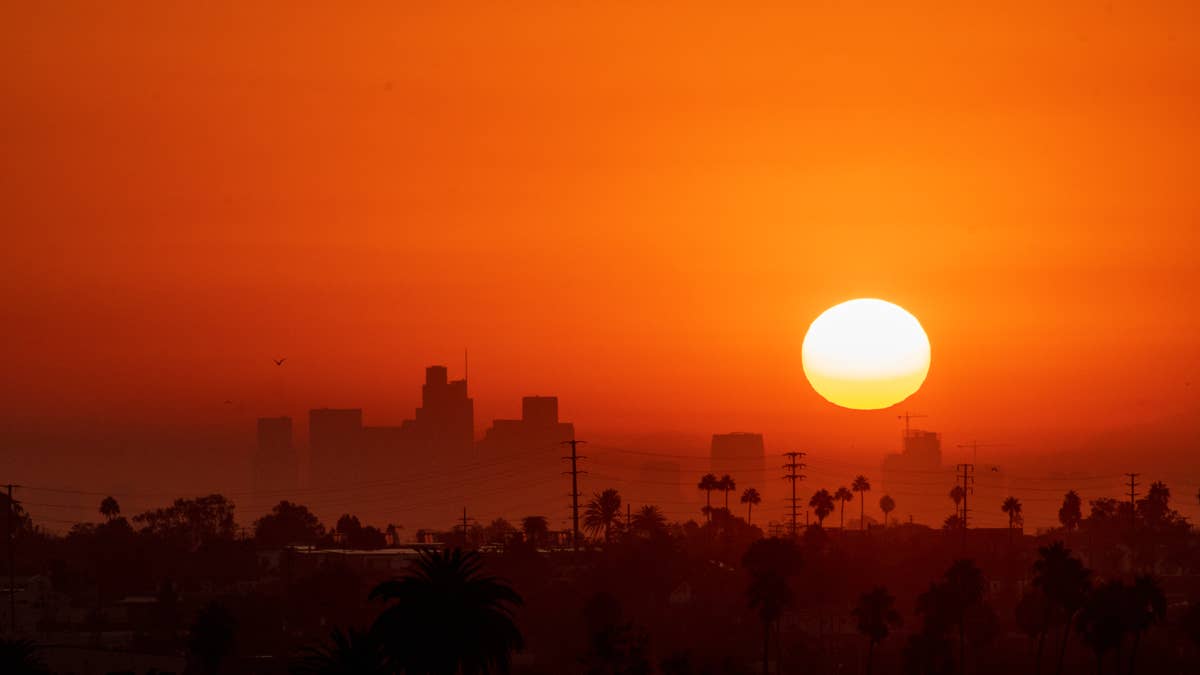
A dangerous early-season heat wave is gearing up to torch parts of California and the Desert Southwest from Sunday into next week, with the National Weather Service (NWS) warning of “major heat risk” conditions that could push temperatures well into triple digits over the coming days, urging people to stay inside, out of the sun.
Under multiple extreme heat watches, the NWS says that some regions, including the Coachella Valley, San Diego County deserts, the San Gorgonio Pass near Banning, and western Imperial County around the Salton Sea, could see highs ranging from 104 to 112 degrees from Sunday through to at least Tuesday.
The hottest stretch is expected on Monday, when peak temperatures could hit their most punishing levels.
For anyone planning to be active outdoors, this is the kind of heat that doesn’t just slow you down—it can take you out entirely.
Where the Heat Will Hit Hardest
The NWS alerts cover a broad swath of Southern California’s desert regions, including cities like Palm Springs, Indio, La Quinta, Borrego Springs, and Salton City.
In western Imperial County and near the Salton Sea, highs could climb as high as 112°F, while surrounding desert regions are expected to top out between 104°F and 109°F.
This isn’t just a quick spike. Forecasters are warning that this could last for several days, which turns hot weather into a serious health threat.
How This Compares to Normal May Temperatures
What makes this especially brutal is just how far it strays from seasonal norms:
In Borrego Springs, for example, a typical day in May sees average highs of between 84°F and 91°F. In Imperial County, average May highs usually sit around 92°F to 93°F.
That means this weekend’s forecast—climbing into the 104°F to 112°F range—is running 10 to 20 degrees above average, a jump that dramatically increases risk, even for people used to desert heat.
Why This Heat Is So Dangerous
Extreme heat is one of the most dangerous weather hazards in the U.S. because it directly affects the body’s ability to regulate temperature.
When temperatures rise, your body relies on sweating to cool itself down. But if the heat is intense enough, or if dehydration sets in, that cooling system starts to fail. Your core body temperature can then rise rapidly, increasing the risk of heat cramps, heat exhaustion, and potentially fatal heatstroke.
The NWS “Major Heat Risk” classification means that even healthy individuals can be affected if they don’t hydrate properly, not just those in vulnerable groups like the elderly ot young children.
Add in factors like direct sun exposure, physical exertion, or alcohol consumption, and the danger ramps up quickly—especially for anyone working outside, training, or spending extended time in the heat.
How to Stay Safe (Without Sitting It Out Completely)
If you’re in these regions, the playbook is simple:
-
Continuously hydrate: Drink water consistently, not just when you feel thirsty.
-
Train smart: Move workouts to early mornings or late evenings to avoid peak heat hours.
-
Use air conditioning when possible: Even a few hours sitting in a cool room can reduce health risks.
-
Dress for survival: Wear lightweight, loose-fitting clothing to help your body cool down more efficiently.
-
Know the warning signs: Dizziness, nausea, heavy sweating, or confusion are red flags—take steps to cool down.
For any outside workers, the Occupational Safety and Health Administration (OSHA) also recommends taking frequent breaks in shaded or air-conditioned areas.
Most importantly, heat stroke is a medical emergency. If someone stops sweating, becomes disoriented, or collapses, call 911 immediately.
Why This Matters
This isn’t the peak of summer—it’s early May. And that’s exactly why it matters.
Early-season heat waves tend to be more dangerous because people are less acclimatized, less prepared, and more likely to underestimate the risk. According to federal heat guidance, extreme heat is not just defined by the temperature, but by how much hotter it is than what’s typical for that place and time of year.
In this case, temperatures soaring well beyond seasonal norms mean one thing: Conditions can turn dangerous fast.
Whether you’re hitting the golf course, putting in hours on a job site, or just trying to power through your weekend, this isn’t the time to push your limits.
This story was originally published by Men’s Journal on May 8, 2026, where it first appeared in the News section. Add Men’s Journal as a Preferred Source by clicking here.