




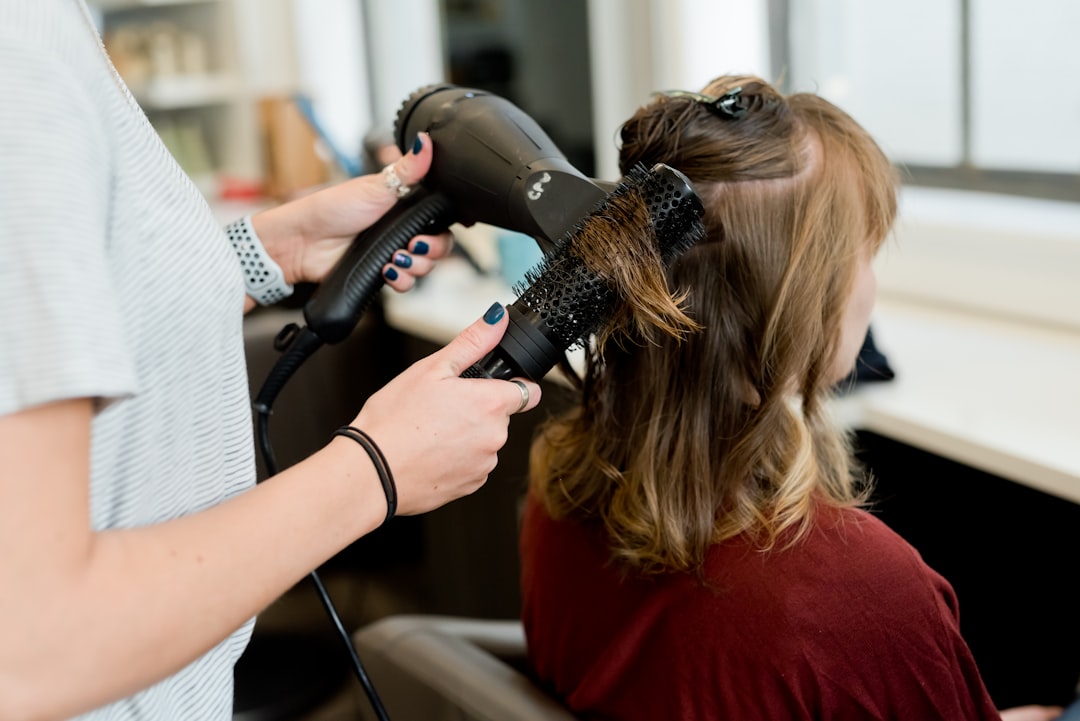
Short hairstyles for women over 50 tend to look most flattering when they’re shaped around face proportions and hair behavior (volume, texture, and growth pattern), not around age alone. The payoff is practical: fewer daily steps and easier control of bulk, especially as hair density and texture shift over time. (Harper’s Bazaar)
Most people misunderstand “flattering” as a style goal, when it’s actually a geometry-and-maintenance equation. Bone structure, natural wave, and how quickly roots grow out can make the same cut read polished on one person and bulky or uneven on another—unless the cut has built-in balance.
A good next step is to match the cut to measurable targets: whether styling can realistically land under a few minutes, whether the shape stays balanced between salon visits, and which finishes (layers, blunt lines, fringe placement) correct common issues like triangle bulk or flat crown. (Good Housekeeping)
Short cuts after 50: what makes them flattering and easier day to day
Short hairstyles for women over 50 often feel more flattering because the haircut can be designed to sit in harmony with visible face framing and the way softer, shorter lengths bounce light and movement across thinning strands. They also feel low-maintenance because length changes make volume easier to shape at the crown and reduce “wake-up styling” surprises like flat roots or tangling ends.
In practice, a well-chosen bob or pixie lets most days start with a quick rinse, light towel-dry, and a single targeted product at the roots.

How bone structure and hair texture change what “flattering” means
Short cuts tend to feel more flattering and low-maintenance because they make the face look more “sculpted” while reducing the amount of hair that needs daily shaping. In practice, a shorter length sits closer to the head, so small changes in movement—like a bit of wave or a slight flip at the ends—show up as structure instead of messy bulk.
Bone structure becomes more visually dominant as hair gets shorter, which shifts what “flattering” means from hiding to highlighting. With less length to weigh things down, hair texture and density matter more: fine or thinning hair often benefits from cuts that create lift at the crown, while thicker hair usually needs a plan for reducing perimeter volume so it doesn’t widen the face.
Good Housekeeping frames this as choosing based on bone structure, hair type, and how much maintenance fits real life (41 Stunning Haircuts and Hairstyles for Women Over 50).
Hair also behaves differently through the day when it’s shorter, which is why styling can feel simpler. A bob, for example, typically turns into a set of predictable contact points around the jaw and neck; that makes quick adjustments—like a 30-second blow-dry sweep toward the face or off the face—more likely to look intentional than with longer lengths.
Harper’s Bazaar links shorter cuts with easier day-to-day management and a fresher feel, especially when the goal is manageability rather than elaborate routine (The Short Haircut Guide for Women Over 50: Expert Tips for Bobs).
The “manageability” link: volume control, wake-up styling, and fewer routine steps
- Manageability is the ability of a short cut to keep a predictable silhouette with minimal daily intervention—especially when hair sits closer to the scalp, so flyaways and bedhead don’t “spread” as far.
- Wake-up styling works because length-limiting reduces gravity pull; a quick finger-comb plus a pea-sized styling product at the crown and sides is often enough to re-form shape, rather than fully blow-drying.
- Volume control improves with haircut architecture: subtle internal layering or a slight taper at the nape helps lift where needed while preventing bulk at the sides, so the cut reads balanced in photos and in bright bathroom light.
- Routine steps drop because drying time and parting complexity shrink; a microfiber towel squeeze and a targeted heat pass on problem zones (like bangs or top) can replace full, all-over styling.
How short length is supposed to behave: volume, texture, and face shape
Predictable volume and movement come from cut mechanics: layers with controlled graduation lift weight off the crown, while blunt lines concentrate thickness into a clean “edge” that reads structured rather than airy. For fine hair, subtle graduation and strategically placed face-framing pieces create lift without puffiness; for thick hair, longer interior layers reduce bulk so the ends can swing.
For fringe, starting higher on the brow adds fullness around the eyes, while crown fringe placed too high flattens the top into a blocky shape.

Layers vs. blunt lines: when each one helps thin, wavy, or thick hair look balanced
Predictable volume and movement usually come from how a cut distributes weight: layers and graduation lift thin hair at the crown, while blunt lines preserve density for wavy or thicker textures. In practice, the goal is for the shortest pieces to sit where light naturally hits—around the top third of the head—so the hair doesn’t collapse into one flat sheet.
For thin or fine hair, graduation that removes weight from below (instead of thinning everywhere) tends to create more lift at the root area after blow-drying; for wavy hair, overly aggressive layering can separate the wave pattern and look frizzy. A Good Housekeeping approach emphasizes matching cut mechanics to hair type and maintenance level rather than treating age as the main variable, so the “best” shape is the one that stays balanced through repeated morning styling.
Fringe position is the third lever that controls face framing: a lighter, slightly longer fringe can soften where hair meets the cheek, while a heavy, straight fringe can emphasize width if it hits too high.
Hairdressers often adjust this by keeping the fringe line aligned with the eye-to-cheek zone and then blending it into the sides; Harper’s Bazaar notes that shorter cuts can feel fresher and easier to manage day to day, which usually pairs best with a fringe that grows out gracefully.
Fringe and crown control: placement rules to avoid a “triangle” or “flat top” effect
Predictable volume and movement in short cuts come from controlling two things at the same time: how the hair is graduated at the back and how the fringe sits relative to the widest part of the face. When the crown is too short or the fringe is cut too long, the shape can read as a “triangle”; when the crown is cut too uniform, it can flatten into a “flat top” look.
For the crown, a practical rule is to keep more weight at the nape or lower back and remove it gradually toward the crown, using graduation rather than one-length bulk. This gives lift where the face naturally “receives” it, and it reduces the need to fight frizz during styling. A Good Housekeeping styling approach also emphasizes matching cut decisions to texture and maintenance level, so the same fringe length may behave differently on fine versus thicker hair.
Fringe placement is the third lever: aim for the longest point to land around cheek level instead of sweeping straight across the jawline, unless the cut is designed with extra taper at the sides. If the goal is framing without bulk, the fringe can be softly layered so it breaks up the horizontal line that creates width at the face.
Harper’s Bazaar notes shorter cuts can add volume and feel fresher when they’re designed for easier day-to-day management, which is exactly why fringe geometry matters.
Choose a cut with measurable fit: maintenance level, styling time, and daily limits
A good fit comes from matching the cut’s styling demands to a realistic daily routine: if hair needs frequent blowouts or heavy product buildup, it will quickly outgrow a low-maintenance goal. In the U. S., many women aim to limit heat to quick touch-ups (like a warm round brush on just the front pieces) and keep the rest air-dry; that expectation narrows choices toward styles that hold shape with minimal combing.
A practical way to judge the workload is to plan for around 5 minutes of styling time and low “decision fatigue” in the morning—then reassess if the finish only works after 10+ minutes of repeated sectioning or re-setting.

Match the cut to maintenance reality: salon blowout frequency and product workload
A escolha do corte deve caber no “ritmo” de manutenção: frequência de secagem no salão (ou em casa) e quanto produto precisa de aplicação diária para manter a forma. Um bom alvo é conseguir finalizar o visual em até 5 minutos com temperatura baixa e menos reprocessamento no dia a dia; cortes mais curtos tendem a exigir menos “reconstrução”, desde que a escolha da linha de contorno seja compatível com a densidade do fio.
No salão, a pergunta prática é quantas vezes por mês o cabelo precisa de blowout para voltar ao formato. Harper’s Bazaar destaca que cortes curtos podem adicionar volume e “facilitar” o manejo cotidiano; na prática, isso costuma funcionar melhor quando a nuca e a área do topo têm uma direção de assentamento clara, reduzindo a necessidade de repassar a escova mais de uma vez.
Para quem evita calor, vale planejar um acabamento sem escova quente, usando apenas finalização com ar morno e secagem por seções.
O segundo critério é o custo “de produto”: se o corte depende de mousse pesada, pomada espessa ou spray de fixação reaplicado ao longo do dia, a manutenção vira um pacote constante.
Good Housekeeping orienta a avaliar tipo de cabelo e nível de manutenção, não apenas a idade; por isso, uma regra de decisão útil é testar no espelho: com 1 a 2 doses do seu produto usual, o cabelo precisa ficar no lugar sem “empastar” nas raízes e sem perder contorno nas pontas. Se isso falhar, o corte pode até ser bonito, mas a rotina não fecha.
Concrete styling targets: aiming for under 5 minutes, and what to do if it takes longer
A short cut that fits a realistic routine is one that can be “finished” in under 5 minutes, using tools and heat the reader is willing to use daily. A practical target is: 1 mirror check, 1 quick sectioning, then set the crown direction and face-framing pieces with just a light pass of air or minimal styling.
To judge whether a style will stay fast, the reader can match the plan to hair behavior: fine or thinning strands usually need less time building shape, but they also deflate if the root direction isn’t consistent. Harper’s Bazaar frames shorter cuts as easier day to day, which works best when the cut lets the natural texture do the work; the styling step becomes refining, not reshaping (Harper’s Bazaar).
A simple test is doing the “morning routine” on a weekend when there’s no rush, then timing from dry hair to final look.
If styling is routinely over 5 minutes, the fix is rarely “try harder”—it’s usually mismatch in energy use or technique. Good Housekeeping points readers to consider bone structure, hair type, and maintenance level rather than age alone, which translates into two measurable edits: reduce tool friction (for example, detangle and dry with fewer passes) and switch to a lower-heat approach like a cool-to-warm finish on short sections; stop when the hair holds the set on contact (Good Housekeeping).
Bob, pixie, and cropped layers: how to compare the best short options for older women
Face-framing strength, regrowth awkwardness, and daily effort separate bobs, pixies, and cropped layers: bobs hug the jaw for reliable framing, pixies can look sharp but may need quicker neckline and sideburn touch-ups as hair grows, and cropped layers blend shifts in texture while keeping styling lightweight with a blow-dry brush and a small matte product.
When a short cut stops working: regrowth checkpoints, damage signs, and when to ask a pro
Reader should book a stylist review when regrowth starts to look “steppy” around the ears or neckline, when the silhouette flips from sleek to puffy within one to two wash cycles, or when they must repeatedly overcorrect with heat to get the same shape. Escalation is required if scalp tenderness persists, there’s persistent itching or scaling, or hair sheds in clumps rather than along the normal shed pattern—those signs warrant a medical evaluation alongside haircut adjustments.
Regrowth checkpoints: how to adjust direction/shape before it turns bulky or uneven
A stylist review becomes worth booking when regrowth changes the cut’s balance in a visible, measurable way—usually in the first few weeks after the shape starts to drift. A practical checkpoint is “two-week testing”: style the same way for 10–14 days, then decide whether the front framing or neckline sits differently despite the same tools and products.
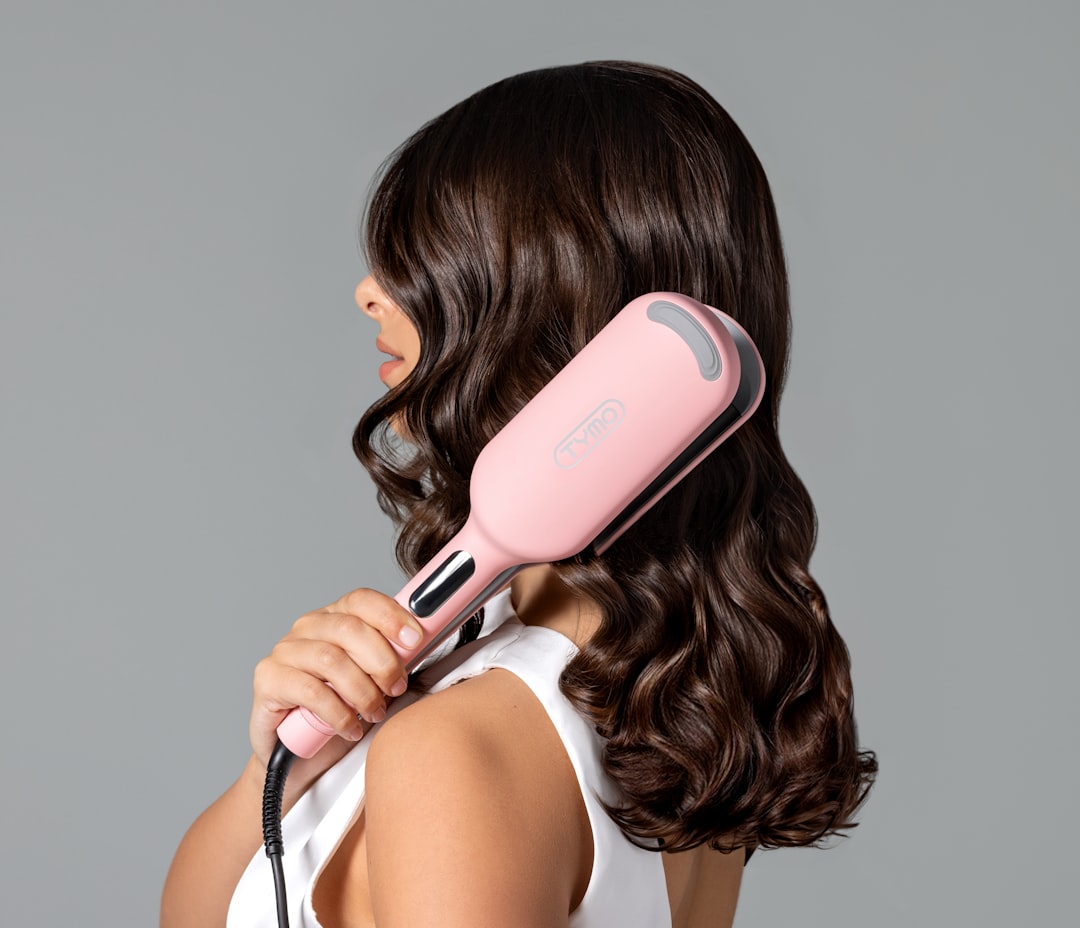
The most common regrowth milestone is loss of intended direction: the front pieces flip outward, the sides puff, or the crown sits flatter because the hair is now longer at one zone than the rest. That mismatch often shows up as a triangle silhouette (wider at one level) or a “helmet” crown effect (one area reads overly smooth).
According to Harper’s Bazaar, shorter cuts can feel easier when they still “behave” day to day—once regrowth forces constant correction, it’s a signal the shape is overdue for refinement.
Warning: Stop trying to “work around” the cut and seek professional guidance sooner if scalp irritation, itching, scaling, or tenderness increases alongside styling changes, especially if regrowth is paired with noticeable shedding or patchy areas rather than uniform length.
For next action, book a cut-adjustment appointment before the next 4–6 weeks pass: bring photos taken on the same lighting each week and ask for a regrowth plan (direction changes, neckline reset, and edge cleanup) so the cut returns to its intended line rather than being re-styled into submission.
Escalation limits: cut issues vs. scalp/hair health red flags that warrant professional or medical evaluation
A stylist review should be booked when regrowth stops behaving predictably and starts forcing repeat correction to keep the shape flattering. Practically, that milestone shows up when the neckline or sideburn area repeatedly flips outward after a 1-minute check in natural daylight, or when the cut needs more than 2 touch-ups per week to look “intentional.”
Cut issues have clear, non-medical triggers: uneven layers that create a “helmet” crown after washing, a bob that suddenly looks narrower on one side than the other, or pixie/cropped regrowth that disrupts balance around the ears within one to two trims. According to Harper’s Bazaar, shorter cuts can add volume and feel easier day to day, so a rapid change in volume behavior usually means the shape is no longer aligned with the current texture and density.
If scalp or hair health appears involved, the threshold shifts from “fix the cut” to “get medical input. ” Seek prompt evaluation when there are persistent itching or burning, new scaling that doesn’t improve after gentle washing routines, patchy shedding, sudden texture changes with breakage, or redness that lasts more than a couple of weeks.
When these signals appear, a pro can still assess styling feasibility, but escalation should come first—because the most flattering short shape can’t compensate for an underlying scalp or hair condition.
Frequently Asked Questions
How often do short haircuts for women over 50 need to be trimmed to stay looking neat?
It depends on how fast the hair grows out and on the exact shape, but most people need a refresh sooner than they expect for a short cut to look intentional. If the neckline or crown starts rounding off, stray pieces show quickly, so scheduling a trim between salon visits can prevent the “bulky” or uneven look from creeping in. A practical target is to choose a cut length that can tolerate the time between appointments without losing its face-framing balance.
Can a short hairstyle for women over 50 work if the hair is thin or gets flat at the crown?
Yes, but the cut has to be designed for volume control, not just overall length. When the crown falls flat, the issue is often shape and weight distribution, so asking for a version that lifts at the top while controlling the perimeter tends to help more than adding layers randomly. Product can also matter: light styling and targeted root lift usually do more than heavy creams that weigh hair down.
What should someone do if their short haircut starts growing out into an awkward shape before the next appointment?
It depends on where the imbalance shows up, but quick fixes usually focus on direction and distribution rather than trying to “style” the hair into a new haircut. Use a blow-dry or setting technique that pushes the hair toward the cut’s intended silhouette, then use minimal product to hold that direction. If the problem is visible bulk at the sides or neckline, a partial touch-up at home (or a quick micro-trim by a stylist) can correct it without waiting for the full appointment.
When is it better to avoid going very short, like a pixie, for women over 50?
It depends on daily tolerance for styling and how much the hair pattern changes between wash days. If the hair texture creates frequent tangling or the person dislikes spending time redirecting pieces, a shorter cut can feel higher-maintenance than expected. Also, if scalp sensitivity or dryness makes heat and product use hard to manage, a slightly longer cropped cut that blends more forgivingly can be the better compromise than a very tight shape.