



A top MTA official defended on Tuesday the agency’s tentative deal with five Long Island Rail Road unions that ended their first strike in more than three decades as trains began rolling again at midday.
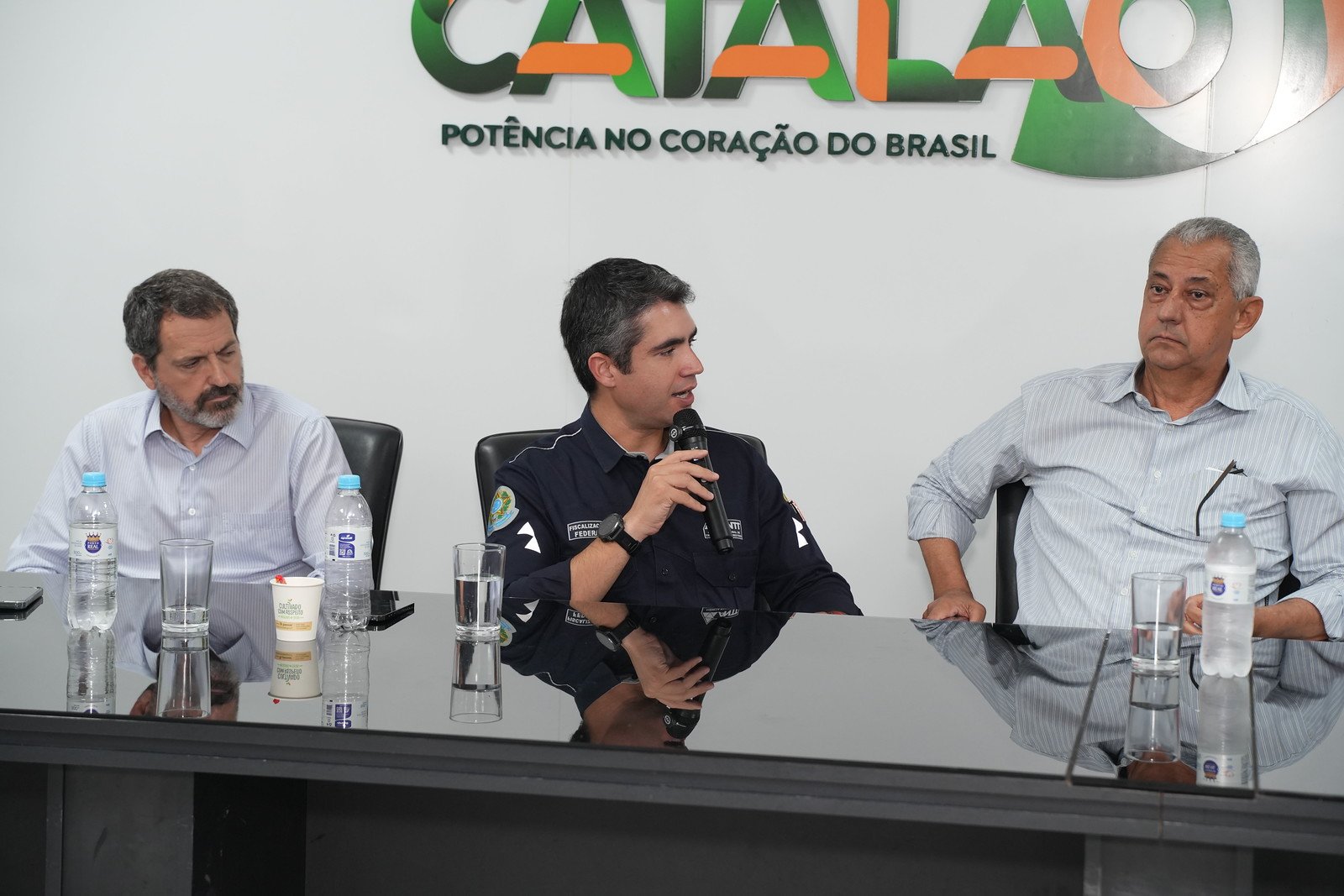
LIRR President Rob Free, during a May 19 news conference at the Jamaica LIRR station ahead of the return to service at noon, stood by the MTA’s decision to let the contract dispute boil over into a strike early Saturday.
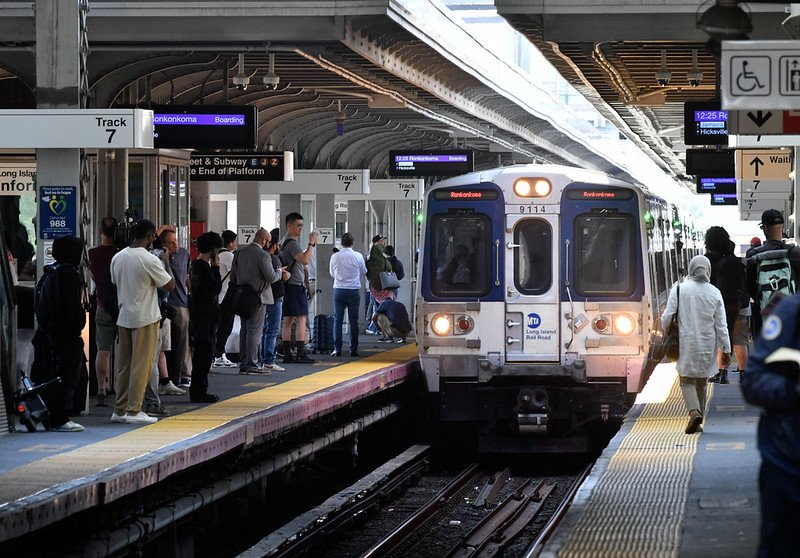
The first trains to hit the rails since May 16 departed from Penn Station, headed for Ronkonkoma, and Grand Central Madison, headed for Massapequa, at noon on Tuesday — with full service restored across the LIRR at 4 p.m. It brought to an end a mad scramble among commuters reliant upon the LIRR who were forced to either work remotely, hop in their cars and brave increased traffic, or conduct a piecemeal commute between limited shuttle bus service and crowded subway trains.
Although Free did not go into specifics of the accord, he insisted it would satisfy the unions’ memberships — made up of 3,500 workers — without shifting the cost onto riders.
“You negotiate, you go back and forth and provide different ideas to make it affordable and acceptable,” Free said. “The unions want to be able to ratify it with their membership. And as the unions said last night, they wouldn’t have accepted the deal if they couldn’t get it ratified. And we wouldn’t have accepted the deal if it put a burden on the taxpayers and the ridership.”
Free’s comments came in response to reports from NY1 and The Chief that the tentative agreement includes a 4.5% raise for LIRR workers for 2026, the final year of a four-year contract.
Part of the agreement involves extending the contract for a period beyond 12 months, reports indicate. It will also include a $3,000 lump-sum payout in addition to the raise.
The sum is not far below the 5% raise for this year that union bosses wanted, but MTA leadership previously said was not acceptable because it would blast a hole in the agency’s budget. They contended that such an expense would force to them to raise fares or the state to raise taxes in order to make up the shortfall.
When asked how the MTA was able to square greenlighting a raise that was not far below an amount they vehemently fought against, Free said the agency secured other changes that make the increase financially viable.
“There are things in there that make it more affordable — make it more palatable for the unions to agree on and make it easier for us to fit within a financial structure,” Free said.
Free did not specify the changes to which he referred. The unions themselves were quiet about the deal’s details on Tuesday.
However, reports indicated they include shifting from paper to electronic paychecks for LIRR workers and barring them from accruing overtime for participating in virtual trainings.
He also noted that because the deal is below 5%, it avoids the MTA’s fear that it would set a level from which other MTA unions would negotiate their contracts. The MTA is particularly concerned about the union representing the largest portion of its workforce — TWU Local 100 — basing its own raise requests on the deal.
The deal still must be ratified by members of the five unions, which is why Free said he could not disclose its contents publicly, and subsequently approved by the MTA board, which is set to meet on Wednesday.