




Founders: Sam Altman (CEO), Greg Brockman, Ilya Sutskever, Wojciech Zaremba, John Schulman, Elon Musk
Launched: 2015
Headquarters: San Francisco
Funding: $185.9 billion (PitchBook)
Valuation: $852 billion (PitchBook)
Key Technologies: Artificial intelligence, cloud computing, generative AI, machine learning
Industry: Enterprise technology
Previous appearances on Disruptor 50 list: 3 (No. 2 in 2025)
Igor Gnedo, Antonina Lepore & Adrianne Paerels
The debut of ChatGPT in November 2022 firmly placed OpenAI in the driver’s seat of the AI revolution.
Now, the rapidly booming market for large language models and AI services is far more crowded, and OpenAI has found itself in a heated race with rival Anthropic, this year’s top CNBC Disruptor 50 company, along with other major AI players like Google.
Part of OpenAI’s big push to maintain its lead position in the AI race has been through heavy infrastructure investments. OpenAI trains and runs AI models that require enormous amounts of computational resources, including chips, processing power, memory and energy, and CEO Sam Altman has pointed to compute power being a major bottleneck to AI growth.
That’s led the company to raise massive sums of cash. In March, OpenAI closed a record-breaking funding round of $122 billion in committed capital from investors including Amazon, Nvidia, Softbank, Microsoft and Andreessen Horowitz. That round valued the company at $852 billion.
“AI is driving productivity gains, accelerating scientific discovery, and expanding what people and organizations can build,” OpenAI said in a release at that time. “This funding gives us the resources to continue to lead at the scale this moment demands.”
But pressure is also increasing on the company to justify its massive valuation, especially as a potential IPO is on the horizon. OpenAI said in March that it’s generating $2 billion in revenue per month, and it made $13.1 billion in revenue last year. However, it is not yet profitable, according to CNBC reporting.
OpenAI has also shifted some of its priorities with that in mind. In March, it shuttered its short-form video app Sora, and signaled it would be focusing more on high-productivity use cases of its technology, especially tools geared towards the enterprise business where Anthropic has achieved significant success.
Its chief revenue officer, Denise Dresser, told CNBC last week that enterprise adoption is at the “tipping point,” and OpenAI’s new Deployment Company, which includes acquisition Tomoro, will aid with the speed and scale of enterprise deals.
The battle with chief rival Anthropic, founded by former OpenAI employees, is fierce.
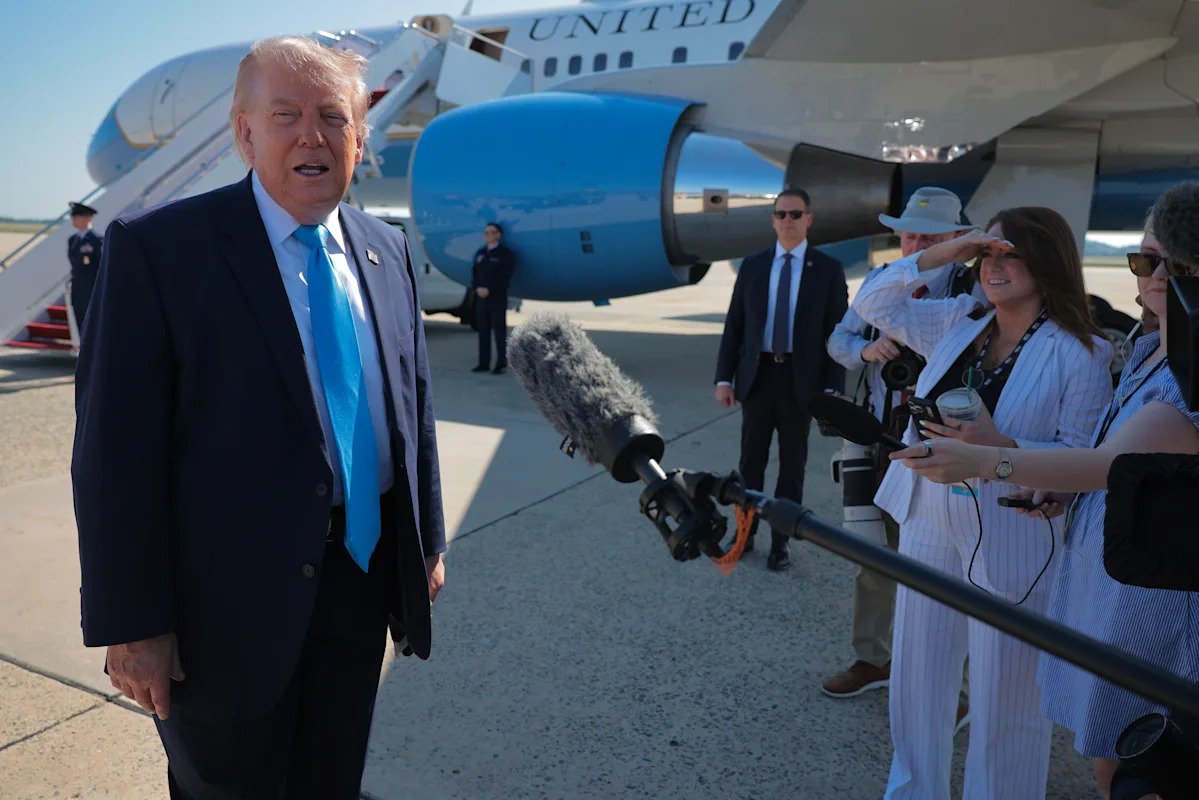
Just hours after U.S. President Donald Trump announced in February that the government would black list Anthropic’s technology from Department of Defense use following a disagreement over core AI safety principles, Altman announced that his company agreed to a deal with the DoD to deploy its models. Altman took some shots at Anthropic during the political firestorm, but would later say he had some misgivings about moving in on the DoD business so quickly.
The stakes are high, as both OpenAI and Anthropic race towards the IPO market. On Monday, OpenAI won a key battle on the road to the public market, prevailing in a lawsuit brought by co-founder Elon Musk over the for-profit status of the company.
Sign up for our weekly, original newsletter that goes beyond the annual Disruptor 50 list, offering a closer look at the most promising venture-backed companies.
Source link
More: https://theglobaltrack.com/
https://corinthiames.com.br/