


For close to two decades, Jeff Kanne has invested several billions of dollars into real estate projects around Greater Boston. But with Mayor Michelle Wu entering a second term and statewide rent control on the ballot in November, Kanne says he’s hitting the pause button.
That’s because investors like him have choices. As chief executive of National Real Estate Advisors, which manages about $10 billion for roughly 120 institutional clients, Kanne is constantly weighing opportunities in some 20 markets across the country from Charlotte, N.C. to San Francisco. Sure, there’s incredible demand for new housing in Boston, but it’s too hard to get a return on his investment here.
“If the officials in Boston want investors like us to say, ‘Hey, I can’t wait to get to Boston,’ they need to roll out the red carpet, and say, ‘Hey, come here. This is what we’re going to do for you,’ ” he said. “Because, unlike the common perception of real estate development, there’s as many people who lose money … as there are who make money. It’s risky.”
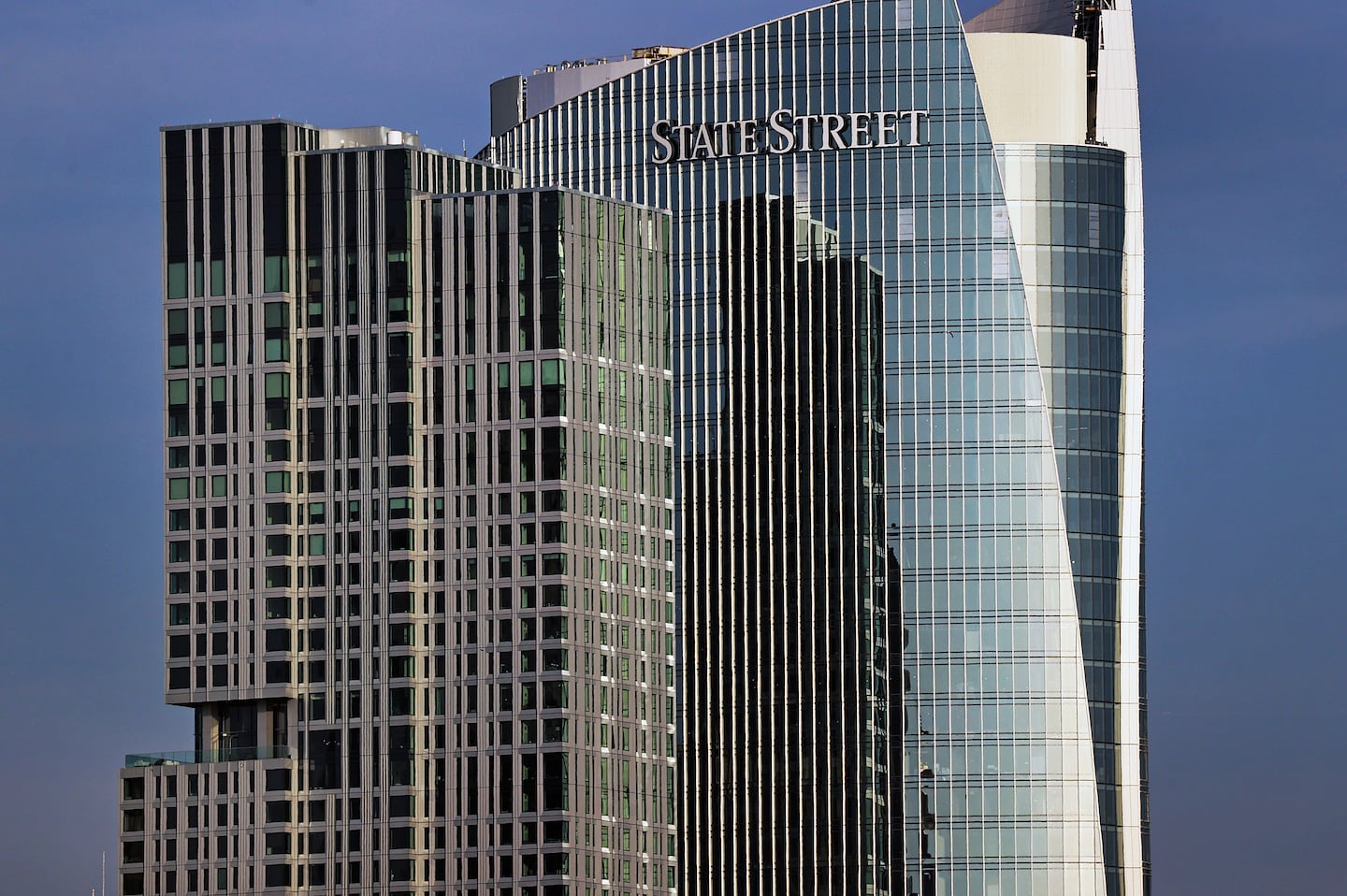
Perhaps Kanne is a bit more cautious than most because he’s not some private equity guy or high-flying Wall Street type. He manages pension money, notably retirement funds of the International Brotherhood of Electrical Workers and the National Electrical Contractors Association. Kanne selects investment opportunities based on financial returns first, and those projects often create jobs and strengthen communities. Investments have ranged from downtown towers like One Greenway and Bulfinch Crossing to Chestnut Hill’s 300 Boylston Street complex.

So if investors like Kanne aren’t deploying capital into Boston, developers who rely on that capital can’t build their projects.
Kanne also feels reticent about New York City, ever since it became clear last year that Zohran Mamdani would become mayor and work to deliver on a campaign promise to freeze rents in the Big Apple.
At the time, Kanne was eyeing an investment in Manhattan. But he held off.
“We liked it a lot,” he recalled, but “we decided we needed to wait … we just don’t know what’s going to happen.”
On top of uncertainty, Kanne weighs a city’s regulatory climate. from how long it takes to get projects through the approval process to the number of requirements such as energy efficiency standards and affordable housing set asides.
“I’m not suggesting that none of those things are good,” he said, “but what I can say is without a doubt, the fewer restrictions you have, the more likely it is that a project is going to pencil, and the more likely it is that capital providers like me will choose your city to put their money because there’s a lot less risk.”

National Real Estate Advisors
But City Hall views these regulations differently. They exist for a reason — to build a Boston that’s better for the environment and more affordable for the people who live here. And the city’s notoriously drawn out process ensures residents get a voice in development too.
Wu’s policies shouldn’t be a barrier with current projects since many were permitted before her more stringent energy and affordable housing requirements went into place. The issue, City Hall has argued, isn’t the mayor so much as global market conditions.
I tried to get Wu’s planning chief Kairos Shen on the phone to talk more about this, but best I could do is a long statement from spokesperson Brittany Comak.
“We are in constant conversations with developers trying to identify ways that the City can be a helpful partner in getting projects into the ground,” said Comak. “Sometimes the City is able to help developers close the gap, other times the level of support they would require would not justify expending so many taxpayer dollars on a market rate private project.”
But interest rates and materials costs are pretty much the same everywhere. And Kanne is investing elsewhere. Over the last year he’s put capital in cities like Washington D.C. and Atlanta funding projects ranging from medical buildings to data centers.

Even San Francisco — which fell into a post-pandemic urban doom loop — is seeing a resurgence, thanks to the boom in artificial intelligence. Real estate investors are once again circling the Bay Area looking for deals. Kanne said what’s helped is the attitude of the new mayor, philanthropist Daniel Lurie, who has “put out the welcoming mat to businesses and capital.”
Kanne said Boston used to be that way under previous mayors, Tom Menino and Marty Walsh, and while perhaps local developers have no choice but to tolerate that shift, national-level investors like him don’t have to.
“If I live in Boston and that’s where my business is, well, I have to cope with that,” he said. “But I don’t, and my capital can go anywhere in the United States.”
These days, Kanne is not only closing the door to Boston but potentially all of Massachusetts if the effort to pass rent control passes on the November ballot. If approved, that would limit annual rent increases statewide to the Consumer Price Index or 5 percent, whichever is lower.
He cites numbers crunched by housing economist Jay Parsons about what’s happened in Montgomery County, an affluent pocket of Maryland suburbia that borders Washington and enacted rent control in 2024.
In the first eight months of that year before rent control took effect, the county issued building permits for 2,093 multifamily units, on pace with other Maryland counties. In the first eight months of 2025, Montgomery County issued just 54 building permits, while the rest of the state kept building at a steady clip.
Parsons and Kanne came to the same conclusion.
“If you want to kill housing production, put rent control in place,” said Kanne, “and you’ll lose investors like me who will go somewhere else.”
Not that long ago, investing in office towers or luxury condo buildings in Boston felt like a sure thing. Not anymore. Some predict it could be another decade before we see another construction boom.
That’s a long time to wait out market conditions. Or we could try to control our own fate.
Shirley Leung is a Business columnist. She can be reached at shirley.leung@globe.com.
Source link
See more https://theglobaltrack.com/