In 2025, California recorded nearly 384,246 car crashes, averaging more than 1,000 daily. For many victims, the aftermath now comes with an unexpected challenge: artificial intelligence. Insurers are deploying AI-driven apps that generate instant settlement offers, often undervaluing injuries, lost wages, and future care, even as AB 1107 raised minimum bodily injury coverage to $30,000/$60,000.
“The offers may sound significant at first, often a few thousand dollars, but they probably do not reflect the full value of injuries like neck and back pain that develop over time,” Lem Garcia, a personal injury lawyer said to SW Newsmagazine.
While the state recently moved to regulate AI in health insurance under SB 1120, auto-injury claimants have no similar protections. The law sets several key safeguards: AI cannot make final coverage decisions without review by a licensed physician or competent healthcare professional; insurers are prohibited from relying solely on AI for denials; recommendations must be based on the patient’s individual medical records and history; and AI tools must be transparent and auditable to ensure compliance and prevent discrimination. The law applies to health care service plans, disability insurers, and their contractors, and works alongside AB 3030, which requires disclosures when generative AI is used for patient communication. The legislation is designed to ensure that patient care is guided by medical expertise rather than automated algorithmic decisions.
Garcia said, “Insurance companies have relied on computer programs to evaluate and settle injury cases for decades. AI simply speeds up that process. The at-fault driver’s insurer does not owe a legal duty to the injured person. If someone believes their injuries are being undervalued, they do not have to accept the offer. Injured people still have the constitutional right to put their case in front of a jury.”
At the same time, insurers such as State Farm face lawsuits alleging software systematically undervalues total-loss vehicles, highlighting how algorithms can reduce payouts by several percent per claim.
Lem Garcia, a personal injury attorney at Lem Garcia Law, told SW Newsmagazine in an interview that he often sees clients sign away their rights because a computer labels their crash as minor. “You’re not just negotiating with an adjuster anymore — you’re up against a program trained to save the insurance company money,” he said. Garcia said clients sometimes receive settlement offers within hours or days of submitting crash details through an app. “The offers may sound significant at first, often a few thousand dollars, but they probably do not reflect the full value of injuries like neck and back pain that develop over time,” he said.
Insurers maintain that AI speeds up claims, but experts warn that fast offers can leave victims undercompensated. Quick settlements may pressure individuals to accept payment before their injuries fully appear, leaving them responsible for later treatments such as physical therapy, injections, or surgery. Garcia said warning signs that a claim may be undervalued include offers that arrive immediately after a crash, pressure to sign before treatment is complete, and settlements that ignore ongoing pain or lost wages.
Garcia said, “Insurance companies have relied on computer programs to evaluate and settle injury cases for decades. AI simply speeds up that process. The at-fault driver’s insurer does not owe a legal duty to the injured person. If someone believes their injuries are being undervalued, they do not have to accept the offer. Injured people still have the constitutional right to put their case in front of a jury.”
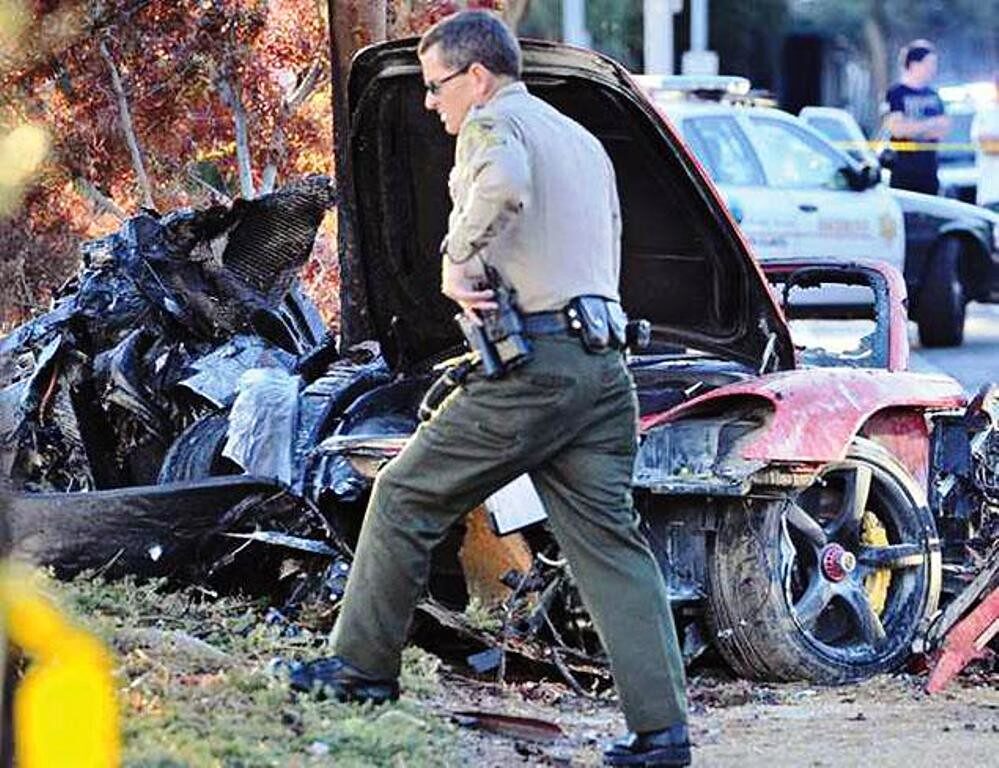
Feature image: Courtesy of photographer Paul Walker. ” by dfirecop
Related
Discover more from SW Newsmagazine
Subscribe to get the latest posts sent to your email.