


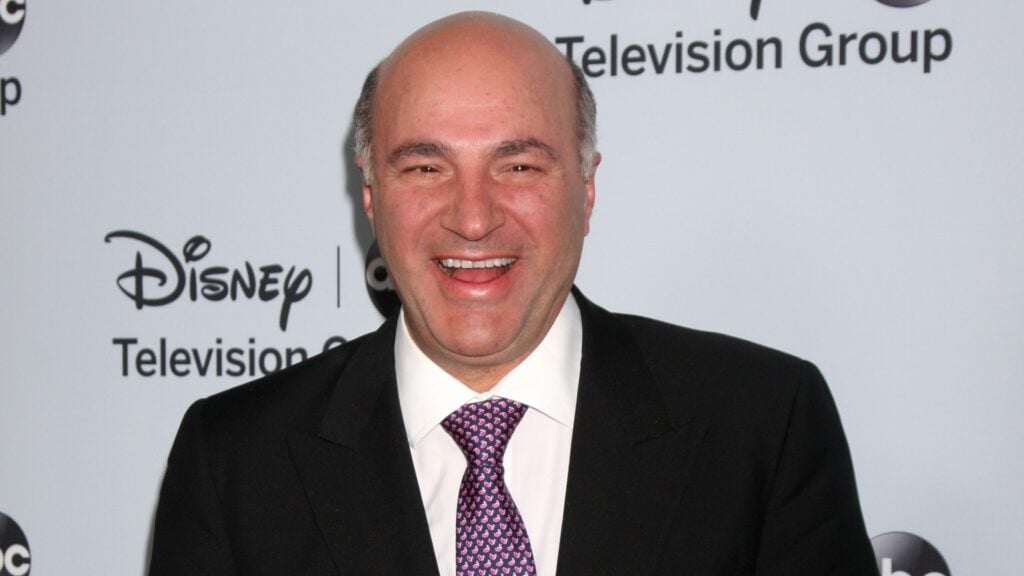
The “Shark Tank” star and investor Kevin O’Leary shared his personal wealth philosophy, urging entrepreneurs to prioritize liquidity over asset accumulation and to sell businesses when strategic opportunities arise.
On Friday, in a post and accompanying clip on X, O’Leary emphasized that true wealth is having at least $5 million in liquid cash, not tied up in homes, cars, or collectibles.
“You’re not rich until you have $5 million liquid. Not in your house. Not in your car. Cash. Once you have that, you can take risks again,” he wrote.
Don’t Miss:
In a clip, O’Leary also advised entrepreneurs to sell their businesses when buyers make offers, even if it’s not the absolute top price.
He said, “No, it’s not the top price. You can negotiate a little bit, maybe get 10% more, but that’s when someone wants to buy your business, you sell it because what you have is more valuable than your business.”
“You’re an entrepreneur. You can do it again and again,” he added.
He explained that entrepreneurship is about managing risk and taking multiple chances.
“I’ve done it so many times, not every company starts going to be successful. You just have to get two or three big hits and you’re set for life,” O’Leary said, adding that liquidity allows entrepreneurs to confidently pursue new ventures.
You’re not rich until you have $5 million liquid.
Not in your house. Not in your car. Cash. Once you have that, you can take risks again.
And when someone offers to buy your business?
Sell it.
Because the most valuable asset isn’t the business – it’s YOU. pic.twitter.com/rSfSxluBxy
— Kevin O’Leary aka Mr. Wonderful (@kevinolearytv) April 3, 2026
Trending: You Saved for Retirement — But Do You Know What You’ll Keep After Taxes?
O’Leary shared strategies for building wealth, comparing entrepreneurship to professional sports and urging young founders to embrace failure.
In March, he explained that reaching the first $1 million proved an entrepreneur had solved a real problem, with the next $1 million to $5 million requiring execution and expansion.
After $5 million, he emphasized acquisitions as a key to rapid growth, acquiring struggling competitors to scale.