
Iraqi Chicken & Rice is a comforting dish, heady with spices
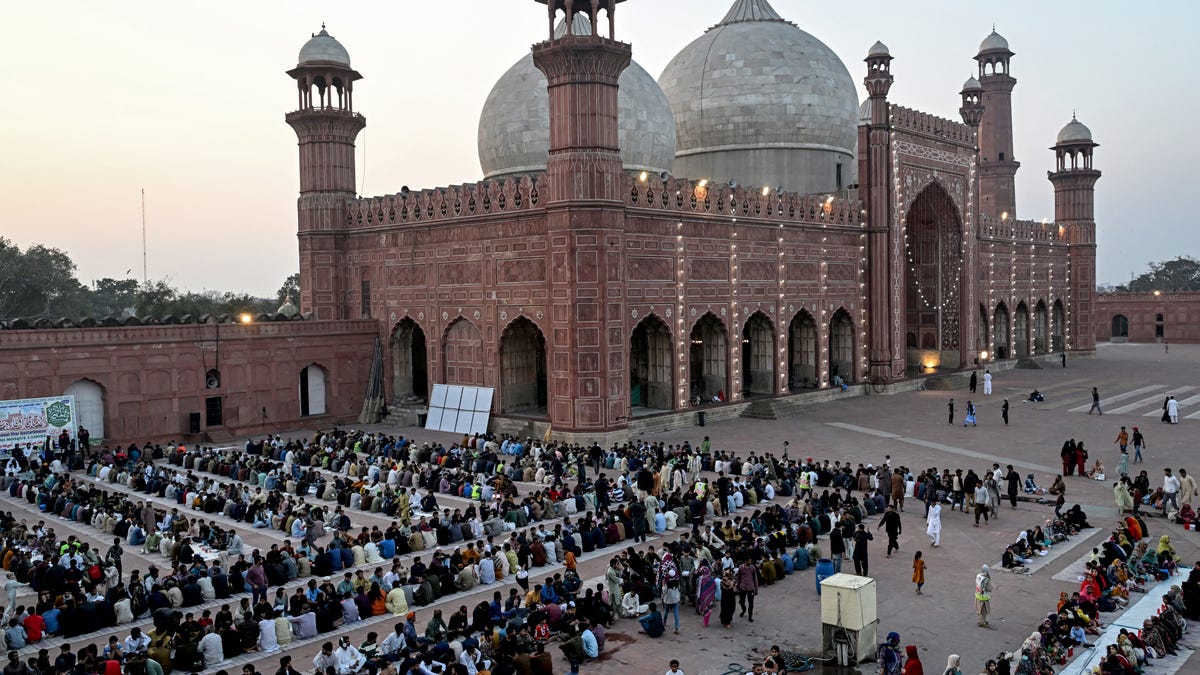
Iraqi Chicken & Rice, or Machboos, is a comfort food enjoyed any time, but especially during the holy month of Ramadan in Muslim households.
- Daylight saving time in the U.S. will extend the daily fasting period for Muslims observing Ramadan in Ohio.
- Fasting hours will increase from roughly 12 hours to nearly 13 hours for some Muslims after clocks spring forward.
- Ramadan’s timing shifts annually due to the lunar-based Islamic calendar, causing it to cycle through all seasons every 33 years.
- This is the last time Ramadan will overlap with daylight saving time until the year 2057.
Muslims worldwide have reached the halfway point of the Islamic holy month of Ramadan. Right now, Ohio Muslims are fasting for roughly 12 hours during the day, and with daylight saving time approaching, the fasting hours will change.
How long will Muslims fast after daylight saving time? How many times has Ramadan coincided with daylight saving? Here’s what to know.
Fasting hours will change when clocks spring forward
Each day of Ramadan 2026, fasting hours begin a few minutes earlier and end a few minutes later for worshippers north of the equator. With daylight saving time starting in a few days in Ohio and the United States, Ramadan fasting hours will shift in the middle of the holy month.
On Feb. 18, the first full day of Ramadan, fasting hours for Muslims in the Columbus area began around 6:06 a.m. and ended at 6:12 p.m., according to Islamic Finder.
With daylight saving time starting on March 8, fasting will last almost 13 hours. Fajr, the morning prayer, will happen at 6:42 a.m. Maghrib, the evening prayer when the fast ends, will occur at 7:31 p.m., according to an Islamic Finder chart.
By the end of Ramadan, Fajr will take place at 6:24 a.m. and Maghrib at 7:43 p.m., well over 13 hours of fasting for Muslims in the United States.
How often does Ramadan coincide with daylight saving time?
Ramadan moves up to be earlier in the year by about 10-12 days each year because the Islamic calendar is based on the lunar cycle, which is approximately 11 days shorter than the solar year. The lunar calendar helps determine the beginning and end of Ramadan, as the holy month’s start and end are based on sightings of the crescent moon.
Aside from Ramadan 2026, the last two Ramadans also coincided with daylight saving time. Ramadan 2024 began on the same day as daylight saving time 2024.
It takes about 33 years for Ramadan to move through all of the seasons. This is the last Ramadan to overlap with daylight saving time until Ramadan 2057.
Ramadan fasting hours are different all over the world
According to Al Jazeera, fasting hours for participating Muslims can vary from 11.5 to 15.5 hours depending on where they live. Daylight hours are shorter in certain areas while others are longer.
Spring daylight hours lengthen in the Northern Hemisphere, meaning fasting hours increase each day after the start of daylight saving time before the spring equinox. Muslims in some areas could experience nearly 16 hours of fasting during daylight before Ramadan ends, while others could have 12 hours or less of fasting by the end of the holy month.
This year, Muslims in Ohio will begin fasting for Ramadan up to 12 hours each day. After daylight saving time, the fasting hours will eventually increase to 13 hours. Some fasting Muslims may have to readjust their Ramadan schedules as hours change, since fasting hours begin at the break of dawn and end at sunset.