
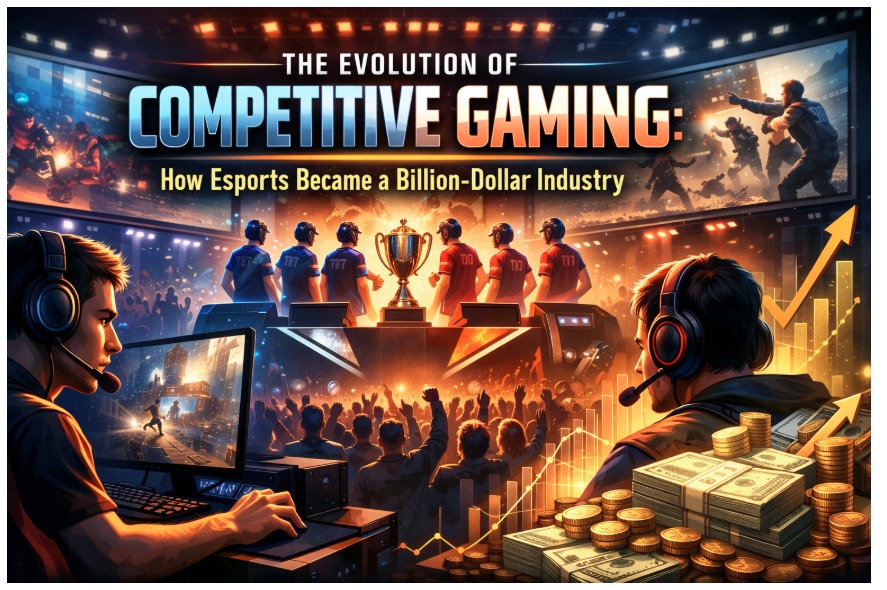
The world of competitive gaming has undergone a remarkable transformation over the past two decades. What started as small LAN parties in basements and internet cafes has evolved into a multi-billion-dollar global industry with professional leagues, massive prize pools, and millions of dedicated fans worldwide.
Esports has grown from a niche hobby into a legitimate career path for talented players, with some professional gamers earning millions of dollars annually through tournament winnings, sponsorships, and streaming revenue. Major brands like Intel, Red Bull, and Mercedes-Benz have invested heavily in esports, recognizing the massive audience and marketing potential.
The Rise of First-Person Shooters
First-person shooter (FPS) games have been instrumental in shaping the competitive gaming landscape. Titles like Quake, Unreal Tournament, and Counter-Strike laid the foundation for modern esports by emphasizing skill-based gameplay, strategic depth, and team coordination.
Counter-Strike, in particular, has maintained its position as one of the most popular competitive games for over two decades. The latest iteration, CSGO (Counter-Strike: Global Offensive), has attracted millions of players and viewers, with major tournaments offering prize pools worth millions of dollars. The game’s tactical gameplay, high skill ceiling, and spectator-friendly format have made it a staple of the esports ecosystem.
The success of competitive FPS games can be attributed to several factors. First, they’re easy to understand for spectators—two teams compete to complete objectives or eliminate opponents. Second, the fast-paced action and dramatic moments create exciting viewing experiences. Third, the skill gap between amateur and professional players is clearly visible, making top-tier play impressive and entertaining.
The Role of Streaming Platforms
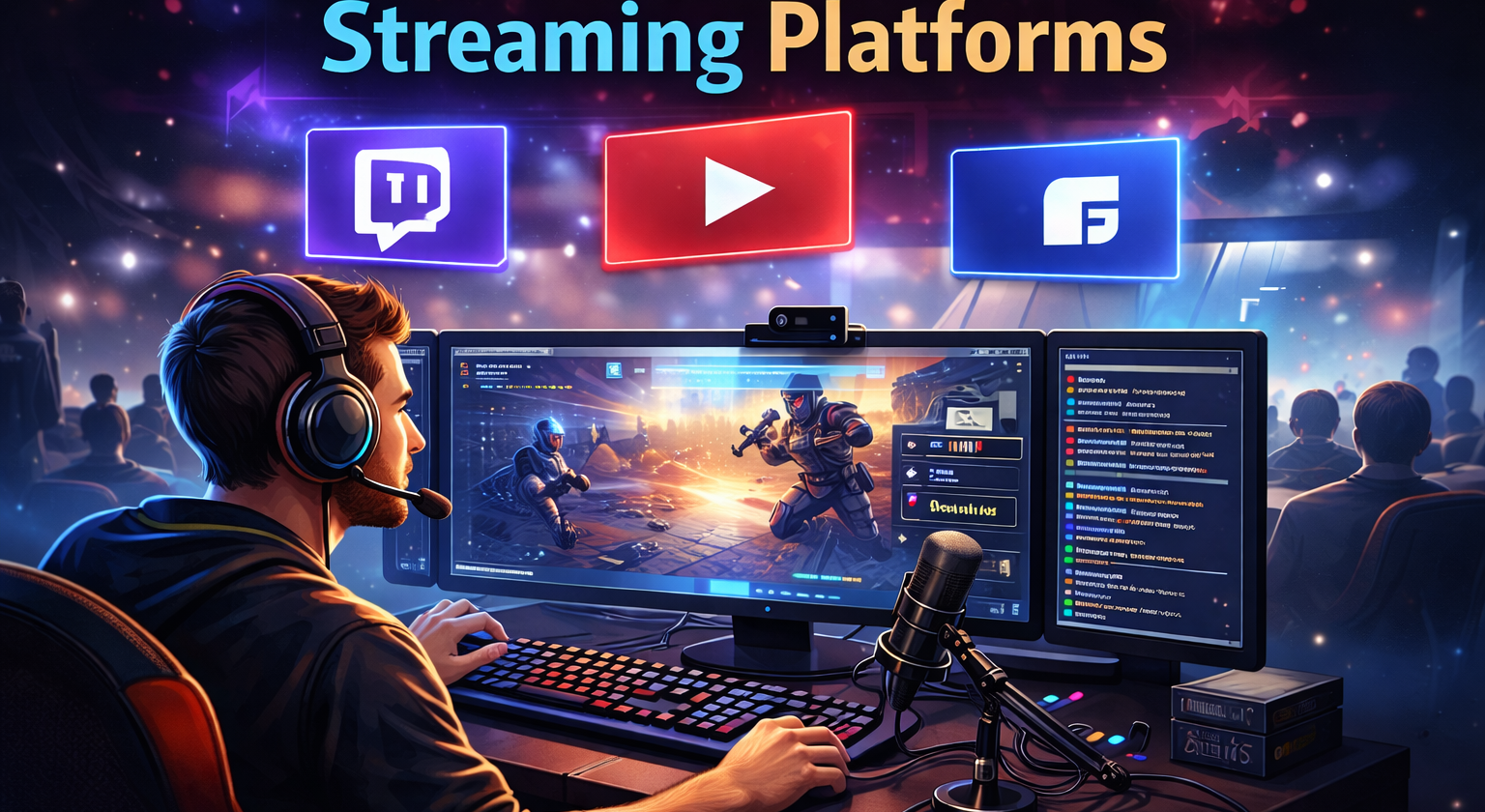
Platforms like Twitch, YouTube Gaming, and Facebook Gaming have revolutionized how people consume esports content. Live streaming has made it possible for anyone to watch professional matches, learn from skilled players, and engage with gaming communities in real-time.
Streaming has also created new career opportunities. Professional streamers can earn substantial incomes through subscriptions, donations, sponsorships, and advertising revenue. Some streamers have become celebrities in their own right, with millions of followers and lucrative brand partnerships.
The accessibility of streaming platforms has democratized content creation, allowing aspiring players to showcase their skills and build audiences without needing traditional media gatekeepers. This has accelerated the growth of esports by making it easier for talent to emerge and for fans to discover new content.
Prize Pools and Professional Infrastructure
The financial side of esports has grown exponentially. Major tournaments now offer prize pools that rival or exceed traditional sports events. The International, Dota 2’s annual championship, has repeatedly broken records with prize pools exceeding $40 million, funded primarily through community contributions via in-game purchases.
Professional esports organizations have emerged as major players in the industry. Teams like FaZe Clan, Team Liquid, and Fnatic operate as full-fledged businesses with coaching staff, analysts, content creators, and support personnel. These organizations provide players with salaries, training facilities, and resources that enable them to compete at the highest level.
Sponsorship deals have become increasingly lucrative, with endemic brands (gaming peripherals, energy drinks) and non-endemic brands (automotive, financial services) recognizing the value of reaching esports’ young, engaged audience. These partnerships provide crucial funding for teams, tournaments, and the broader ecosystem.
The Global Reach of Esports
Esports has become a truly global phenomenon, with strong regional scenes across North America, Europe, Asia, South America, and beyond. Different regions often excel in different games—South Korea dominates League of Legends and StarCraft, while Europe and CIS regions have produced many top Counter-Strike teams.
International tournaments bring together the best teams and players from around the world, creating dramatic storylines and fierce rivalries. These events often sell out massive arenas in minutes, demonstrating the passionate fan base that esports has cultivated.
The COVID-19 pandemic actually accelerated esports growth, as traditional sports were disrupted while competitive gaming could continue online. Many traditional sports organizations and athletes took notice, with several launching their own esports ventures or investing in existing teams.
Educational and Career Opportunities
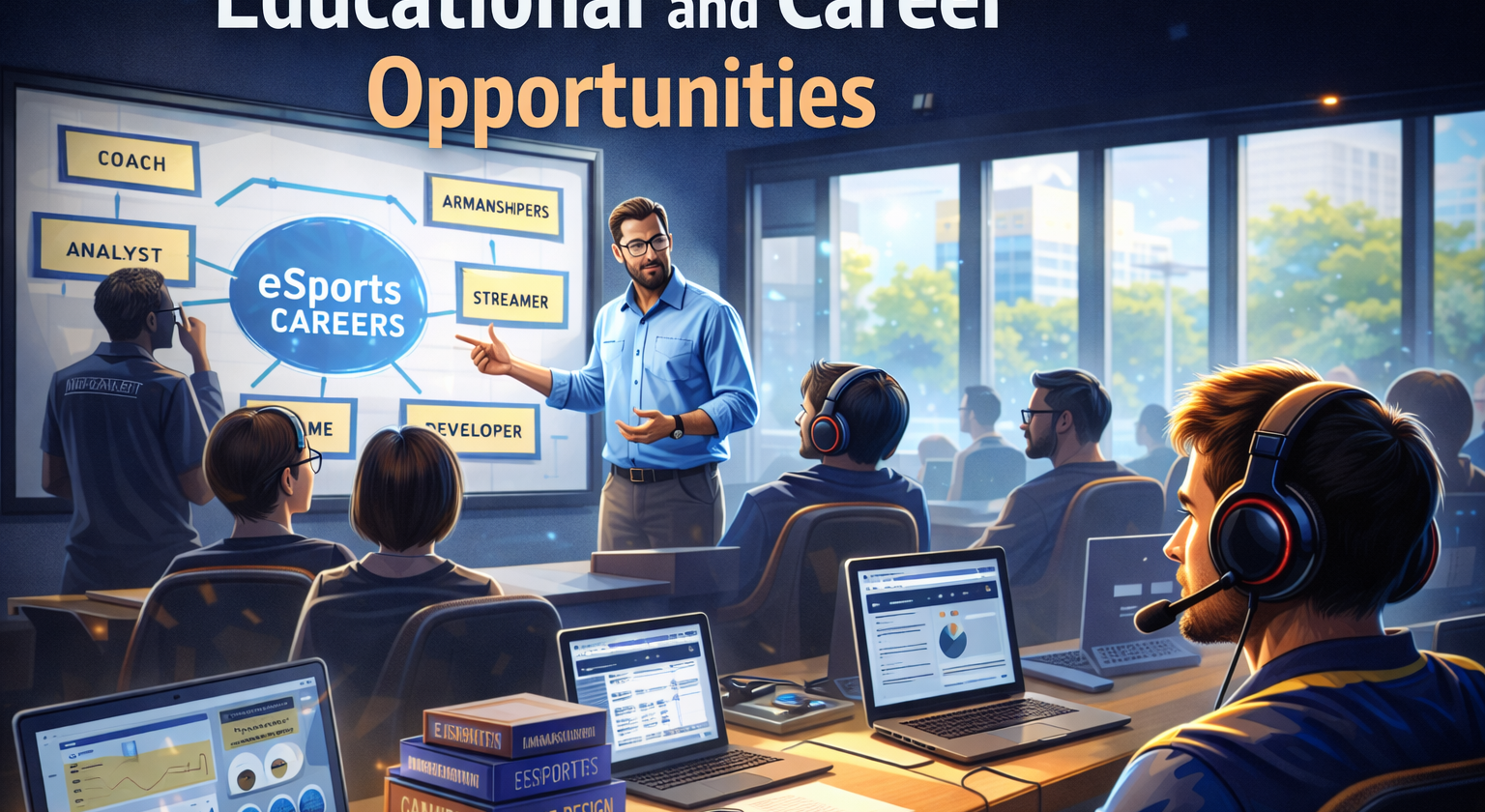
Universities worldwide have begun offering esports scholarships and building competitive gaming programs. Institutions recognize that esports can attract students, teach valuable skills (teamwork, communication, strategic thinking), and prepare them for careers in the gaming industry.
Beyond playing professionally, the esports industry offers diverse career paths including coaching, analysis, broadcasting, production, marketing, event management, and game development. The industry employs thousands of people in various roles, creating a sustainable ecosystem around competitive gaming.
Esports has also proven valuable for developing transferable skills. Professional players must maintain peak performance under pressure, communicate effectively with teammates, analyze complex information quickly, and continuously improve their skills—all abilities that translate to traditional workplace environments.
Challenges and Controversies
Despite rapid growth, esports faces several challenges. Player burnout is a significant concern, as the intense practice schedules and constant travel required at the professional level can take a physical and mental toll. Organizations are increasingly prioritizing player wellness, hiring sports psychologists and implementing better training regimens.
Match-fixing scandals have occasionally rocked the industry, highlighting the need for better regulation and oversight. Governing bodies and tournament organizers have implemented stricter rules and integrity measures to combat cheating and corruption.
The question of whether esports should be considered “real sports” continues to generate debate. While some argue that physical exertion is minimal compared to traditional athletics, others point to the mental demands, reflexes, and hand-eye coordination required at the highest level. Regardless of classification, esports has undeniably carved out its own legitimate space in the entertainment landscape.
The Future of Competitive Gaming
The esports industry shows no signs of slowing down. Emerging technologies like virtual reality and augmented reality could create entirely new competitive gaming experiences. 5G networks will enable better mobile gaming experiences, potentially opening up new competitive titles and expanding the audience.
Traditional media companies are increasingly investing in esports content, with major broadcasters like ESPN and TBS airing tournaments and creating original programming. This mainstream exposure helps legitimize esports and introduces it to broader audiences who might not otherwise engage with gaming content.
The integration of blockchain technology and NFTs into gaming could revolutionize how players own and trade in-game items, creating new economic opportunities within esports ecosystems. While controversial, these technologies may fundamentally change how value is created and exchanged in gaming communities.
The Cultural Impact
Esports has influenced broader gaming culture and mainstream entertainment. Professional players have become role models for younger gamers, demonstrating that dedication and skill in gaming can lead to legitimate careers. This has helped shift perceptions of gaming from a frivolous hobby to a serious pursuit.
The competitive mindset fostered by esports has also influenced game design across the industry. Developers increasingly build games with competitive balance and spectator features in mind, recognizing that esports success can drive long-term player engagement and revenue.
Crossover events between esports and traditional entertainment continue to blur boundaries. Musicians perform at esports events, athletes invest in teams, and Hollywood produces documentaries about professional gamers. This mainstream acceptance represents a significant cultural shift in how society views gaming.
Building Communities
One of esports’ greatest strengths is its ability to build passionate, engaged communities. Fans don’t just watch matches—they participate in discussions, create content, attend events, and form lasting friendships based on shared interests.
Social media has amplified this community-building, allowing fans to interact directly with players, teams, and other supporters. This accessibility creates a sense of connection that traditional sports sometimes struggle to match, particularly for younger audiences accustomed to digital-first interactions.
Local gaming cafes and esports bars have emerged as physical gathering places for fans to watch tournaments together, recreating the communal experience of watching traditional sports at bars or stadiums. These venues help bridge the gap between online and offline esports communities.
Conclusion
Competitive gaming has evolved from humble beginnings into a sophisticated global industry that generates billions in revenue, employs thousands of people, and entertains millions of fans worldwide. The combination of skilled gameplay, compelling narratives, accessible streaming platforms, and passionate communities has created something truly unique in the entertainment landscape.
As technology continues to advance and more people recognize esports’ legitimacy, the industry will likely continue its impressive growth trajectory. Whether you’re a casual viewer, aspiring professional, or industry professional, there’s never been a more exciting time to be involved in competitive gaming.
The future of esports looks bright, with expanding audiences, increasing investment, and growing mainstream acceptance. What started as a niche hobby has become a cultural phenomenon that’s reshaping entertainment, creating careers, and bringing people together around shared passion for competitive gaming.
Last updated: March 2026