
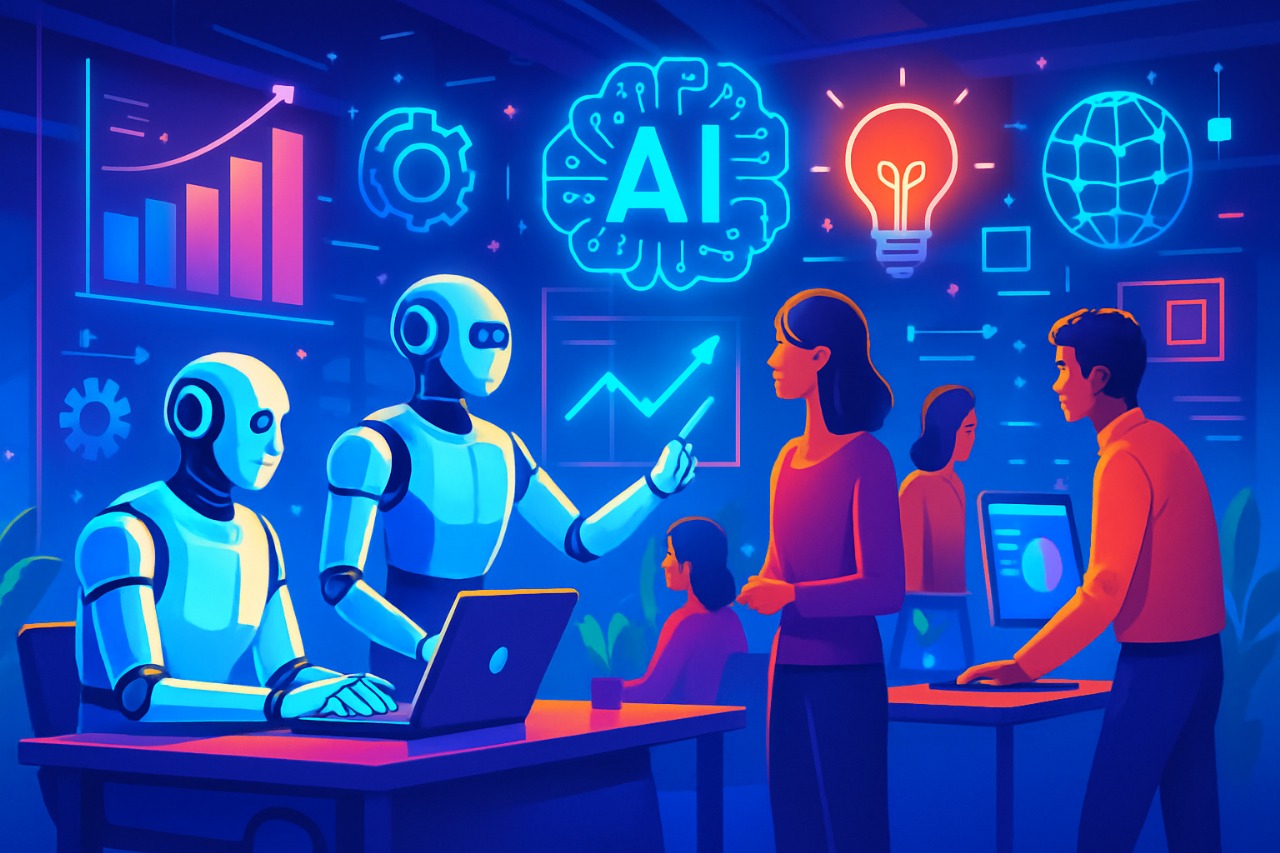
Artificial Intelligence (AI) has transitioned from science fiction into reality, becoming a pivotal component of contemporary society. The rapid advancements in machine learning, natural language processing, and computer vision have transformed industries, economies, and the very fabric of daily life. As we delve into the implications of this technological revolution, it is crucial to understand both the opportunities it presents and the challenges it poses.
The Evolution of AI
AI’s journey can be traced back to the mid-20th century, with pioneers like Alan Turing and John McCarthy laying the groundwork. However, it wasn’t until the last decade that we witnessed an exponential growth in its capabilities, driven by improvements in computational power and the availability of massive amounts of data. From Google’s search algorithms to autonomous vehicles, AI is now embedded in countless aspects of our lives.
Transforming Industries
AI is revolutionizing numerous sectors, streamlining processes and enhancing productivity:
1. Healthcare
AI is reshaping healthcare through predictive analytics, personalized medicine, and improved diagnostic tools. Algorithms can analyze medical images with astonishing accuracy, facilitating earlier detection of diseases such as cancer. Machine learning models are also being used to predict patient outcomes and optimize treatment plans, leading to better patient care and reduced costs.
2. Finance
In the financial sector, AI is crucial for risk assessment, fraud detection, and algorithmic trading. Financial institutions employ AI to analyze transaction behaviors in real-time, identifying anomalies and potential fraud more effectively than human analysts. Additionally, AI-driven robo-advisors provide personalized investment advice, making wealth management more accessible.
3. Transportation
The rise of self-driving cars symbolizes AI’s potential to revolutionize transportation. Companies like Tesla and Waymo are utilizing AI to enhance safety, reduce traffic congestion, and minimize emissions. Beyond autonomous vehicles, AI optimizes logistics and supply chains, ensuring goods are delivered efficiently.
4. Retail
In retail, AI enhances customer experience through personalized recommendations and chatbots. E-commerce giants leverage AI to analyze consumer behavior, predicting trends and optimizing inventory. This personalization fosters customer loyalty and drives sales.
Societal Implications
While AI offers transformative benefits, it also raises ethical and societal questions:
1. Job Displacement
One of the most pressing concerns is the potential for job displacement. As AI automates routine tasks, many traditional roles may become obsolete. While new jobs may emerge in AI-related fields, the transition poses challenges for workers needing to reskill and adapt. Policymakers must prioritize workforce development to mitigate these impacts.
2. Bias and Fairness
AI systems can inadvertently perpetuate biases present in their training data. This issue has significant implications, particularly in areas like hiring, criminal justice, and lending. Ensuring fairness in AI requires rigorous testing, diverse datasets, and transparency in algorithms to build trust and ensure equitable outcomes.
3. Privacy Concerns
As AI systems gather and analyze vast amounts of personal data, concerns about privacy continue to grow. Striking a balance between leveraging data for innovation and protecting individual privacy rights remains a critical challenge. Comprehensive regulations and ethical guidelines are essential to safeguard personal information.
The Future of AI
The trajectory of AI suggests a future where intelligent systems complement human capabilities. As we move towards a more AI-driven world, collaboration between humans and machines will likely redefine how we work and interact. Innovations in generative AI, like chatbots and content creation tools, indicate that the possibilities are only beginning to unfold.
1. Collaboration Over Replacement
Rather than merely replacing human jobs, AI can assist in complex decision-making, enhancing creativity, and facilitating innovation. By automating repetitive tasks, AI frees up human workers to focus on strategic and creative endeavors.
2. Interdisciplinary Innovations
The integration of AI with other technologies, such as the Internet of Things (IoT) and biotechnology, will yield groundbreaking solutions to global challenges, including climate change, healthcare accessibility, and resource management. Collaborative efforts across disciplines will be vital in harnessing AI’s full potential for societal good.
Conclusion
The rise of AI marks a new chapter in human history, filled with promise and peril. As we forge ahead into an AI-infused future, it is paramount to foster a dialogue about its ethical implications, invest in education and reskilling programs, and ensure that technological advancements are aligned with societal values. Embracing AI’s potential while addressing its challenges will be essential for creating a future where technology serves humanity, enriching lives and fostering a more equitable world.