



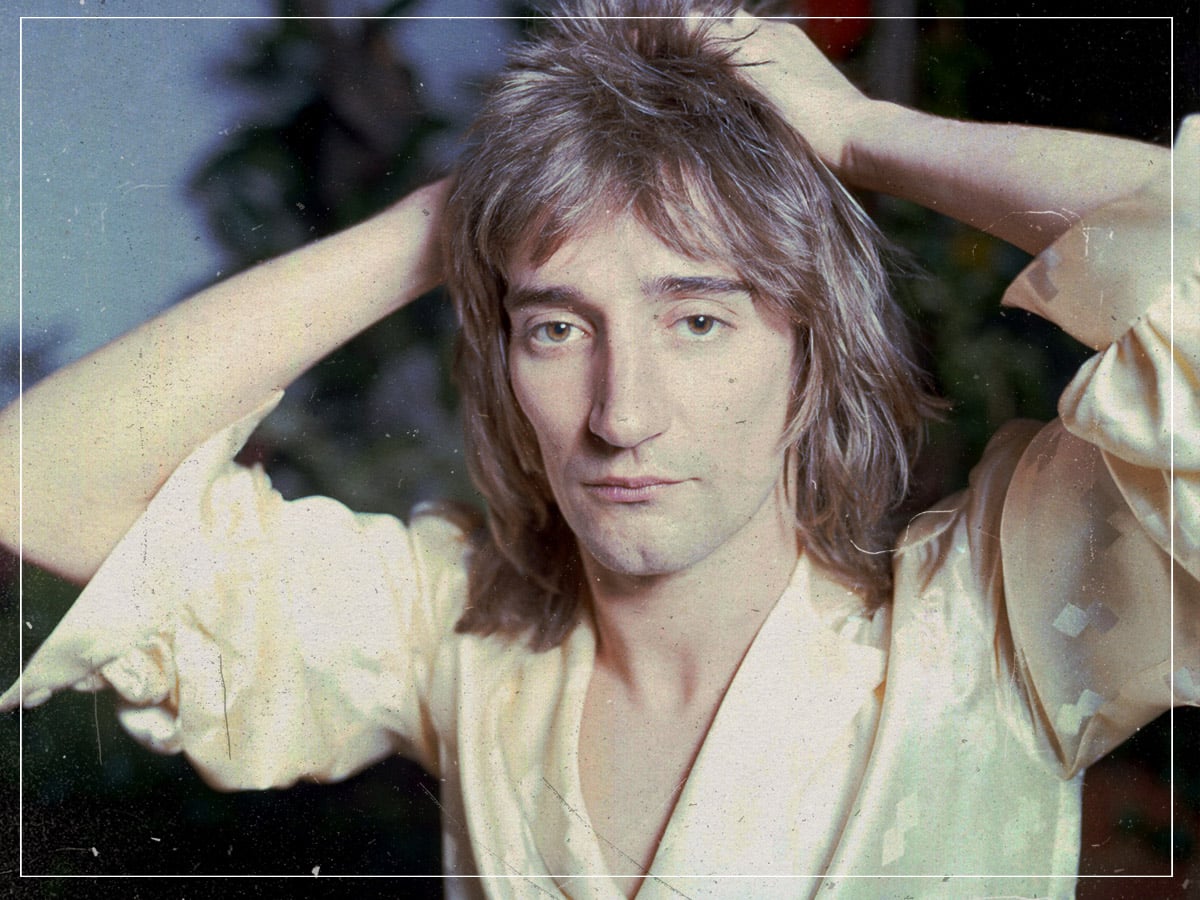
Credit: Far Out / Allan Warren
Tensions between Rod Stewart and the rest of the Faces were always bound to boil over the minute the band began being seen purely as the backup for Stewart, the solo superstar.
While they were undoubtedly highly successful as a five-piece, and each individual member has since gained their own place in rock and roll legend, at the time, it was Stewart who wore the trousers of the group – and it’s fair to say it resulted in a bust-up or two.
From their inception in 1969, Faces had held up over the space of three albums – First Step, Long Player, and A Nod is as Good as a Wink… To a Blind Horse – until four years later, in 1973, when the cracks in their foundations turned into voids more like gaping chasms.
The unworkability of the band was, of course, rooted in Stewart’s solo success; their concerts were unusual in the sense that they would also devote much of the setlist to the singer’s personal material, and by this time, he was spawning hits like ‘Maggie May’, rocketing off into the stratosphere. For the rest of them, something had to give – and it was Stewart’s attitude to one particular song that broke the camel’s back.
Ironically, it was the song that ended up being the title track of that fated final album, ‘Ooh La La’. Despite it having since gone on to become a classic of both the Faces and rock and roll at large, at the time of its development, to say Stewart wasn’t exactly keen would be a pretty big understatement. In fact, keyboardist Ian McLagan claimed that upon being played the song for the first time, the frontman’s only toddler-esque response was simply, “Don’t like it!”

Indeed, Stewart insisted on his hatred of ‘Ooh La La’ so much that he even refused to sing it, giving Ronnie Wood the rare opportunity to step in on vocals. As much as he may have redeemed himself from it now, the disparagement of Stewart by his fellow bandmates seems pretty understandable in this context. It was so unbearable to electric bassist Ronnie Lane that it prompted him to jump ship, ultimately leaving the Faces in ruin, all down to Stewart’s petulance.
What made the disagreement particularly painful was that ‘Ooh La La’ represented much of what made the Faces special in the first place. Unlike Stewart’s increasingly polished solo material, the song carried the ragged warmth and pub-rock looseness that defined the band’s identity.
Ronnie Lane’s writing brought a nostalgic tenderness to the track, while Ronnie Wood’s rough-around-the-edges vocal gave it an everyman charm that perfectly suited the Faces’ unpretentious spirit. Stewart’s dismissal, therefore, felt to some members like a rejection of the band’s heart and direction altogether.
In hindsight, the irony surrounding the song only grew stronger as the years passed. Despite Stewart initially refusing to sing it, ‘Ooh La La’ ultimately became one of the most beloved songs associated with his wider catalogue and the defining anthem of the Faces themselves. The track’s enduring popularity also vindicated Lane’s instincts, proving that the band’s magic did not solely depend on Stewart’s star power. Even amid the tensions and bruised egos that tore the group apart, ‘Ooh La La’ survived as a reminder of the chemistry and humour that once made the Faces one of rock’s most charismatic bands.
He would have soon realised, however, what a mistake he was making. ‘Ooh La La’ became one of the standout legacies from the Faces’ overall short original stint together as a group, and it’s even roundly considered one of the best songs of all time. Well, it’s not a hypothetical – he did eventually come around to the tune, with McLagan claiming hilariously that Stewart learned to like it just 25 short years later – and funnily enough, after he’d recorded his own version.
But let bygones be bygones; the Faces put their parts back together in the end. The surviving rockers have embarked on an impressive number of reunions over the years, some as recent as just a few years ago, and for now megastar former members like Wood, the success of Stewart is now much less salt in the wound than it once was. You can bet, though, that Stewart wished that he knew what he knows now when he was younger…