




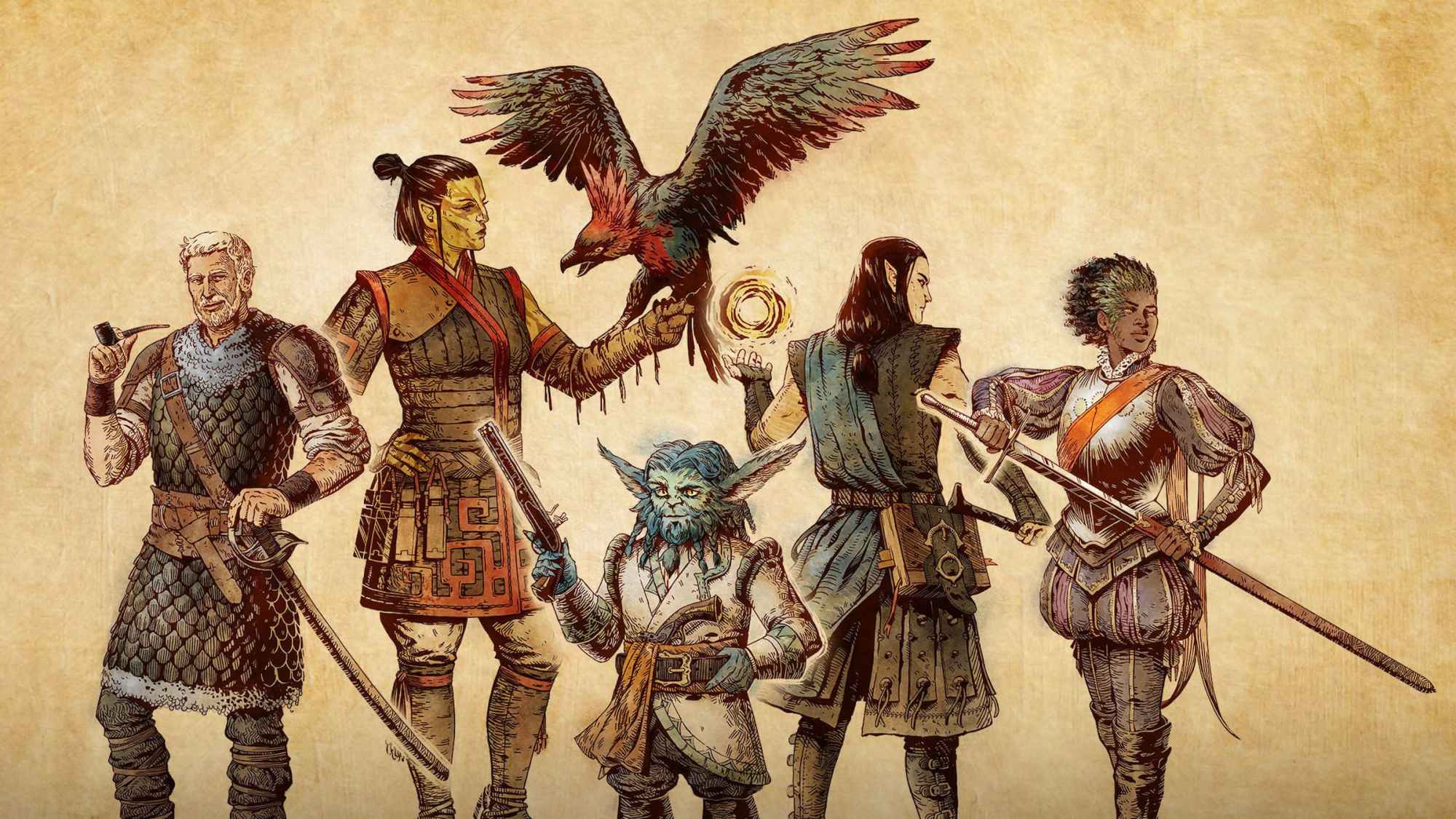
There was a time when CRPGs were the pinnacle of gaming, but that genre dwindled in favor of FPS games and action RPGs. Yet it is in resurgence, gaining mainstream popularity again thanks to Larian Studios and Baldur’s Gate 3. With Divinity on the way, fans can look forward to even more incredible isometric RPGs that blend cinematic storytelling, reactive roleplaying, and deep tactical combat. Yet, before Baldur’s Gate 3 became a cultural phenomenon, several studios kept classic party-based RPG design alive during an era when publishers largely ignored it.
One of the most important of those games was Pillars of Eternity 2: Deadfire, which released on May 8, 2018. Even seven years later, it remains one of the best games to play if you love Baldur’s Gate 3. Developed by Obsidian Entertainment, the sequel expanded nearly every aspect of the original Pillars of Eternity and delivered one of the richest role-playing sandboxes in the genre. Now, with BG3 proving there is massive demand for CRPGs, fans continue speculating that a long-awaited Pillars of Eternity 3 could finally happen.
Pillars of Eternity 2: Deadfire Was Ahead of Its Time
When Pillars of Eternity 2: Deadfire launched in 2018, the CRPG landscape looked very different. Turn-based tactical RPGs were still considered niche, and few publishers believed games inspired by classics like Baldur’s Gate or Planescape: Torment could become mainstream hits. Obsidian pushed forward anyway, building a sprawling RPG deeply inspired by these classic titles but with modern systems, visuals, and gameplay.
What immediately stood out about Deadfire was its freedom, especially with the setting; the Deadfire Archipelago, where players commanded both a party and a customizable ship while navigating faction conflicts and divine politics. Pillars of Eternity 2: Deadfire allowed players to approach quests in radically different ways depending on class builds, dialogue skills, faction reputation, and party composition. Even by today’s standards, the amount of reactive storytelling is impressive. Decisions often ripple through multiple questlines, and companions react dynamically to player choices throughout the campaign.
I still remember the first time I accidentally turned an entire faction hostile because I thought I could bluff my way through a diplomatic encounter. Instead of feeling railroaded, the game adapted. Entire quest paths changed, merchants disappeared, and my crew started questioning my decisions. That flexibility is one of the biggest reasons many RPG fans still recommend Deadfire to players searching for games like Baldur’s Gate 3. In a way, I can’t help but feel that Larian Studios drew many inspirations from Obsidian’s work when developing its own CRPG.
The Turn-Based Update Changed Everything

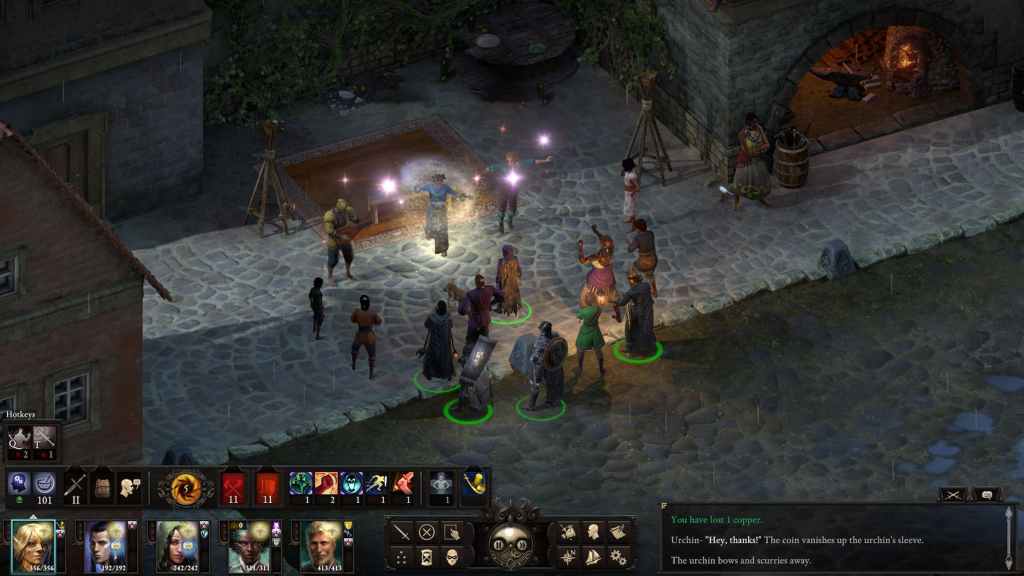
One reason Pillars of Eternity 2: Deadfire continues attracting new players is its turn-based mode. At launch, the game used a traditional real-time-with-pause combat system similar to older Infinity Engine RPGs. While longtime CRPG fans appreciated that style, many newer players found it intimidating or chaotic compared to modern tactical RPGs. But in 2019, Obsidian released a major update adding a full turn-based option. The change transformed how many players experienced combat. Suddenly, positioning, spell timing, crowd control, and party synergy became easier to understand, and combat encounters slowed down in a good way, giving every action more weight.
The comparison to BG3 would become much stronger after that update. Both games emphasize environmental strategy, layered status effects, companion synergy, and creative problem-solving during encounters. While Deadfire lacks the cinematic presentation of Baldur’s Gate 3, its mechanical depth remains exceptional. Multi-class builds alone can consume hours of experimentation, especially for players who enjoy optimizing party compositions.
The turn-based update also helped preserve the game’s longevity. Seven years later, it feels remarkably modern because players can choose the combat style that best fits their preferences. That flexibility is a major reason the game still appears on lists recommending the best RPGs after finishing Baldur’s Gate 3. We’ve even seen Obsidian Entertainment update the original Pillars of Eternity to add this game mode, and it has caused me to go back and do another playthrough of that game. Even as someone who grew up on the classic real-time with pause CRPGs, having the option to fully take my time with turn-based combat is a game-changer.
The Hope For Pillars of Eternity 3
The success of Baldur’s Gate 3 reignited conversations about dormant CRPG franchises across the industry, and Pillars of Eternity is always part of that discussion. I, and many other fans, are still waiting for Pillars of Eternity and another excuse to return to Eora. Avowed was an excellent spin-off game, but it didn’t fully satisfy my urge thanks to its gameplay that was more akin to The Elder Scrolls V: Skyrim than the classic CRPG gameplay I loved. But the game does keep the world of Eora active and alive in fans’ minds. What’s more, it even helped bring in players who may not be as familiar with CRPGs once they experienced the world.
Developers at Obsidian have also openly acknowledged continued fan interest in the franchise over the years, and the timing seems better than ever for Pillars of Eternity 3. Before Baldur’s Gate 3, publishers often viewed large-scale CRPGs as financially risky. Larian’s success changed that perception dramatically. BG3 proved that deep roleplaying systems, tactical combat, and dialogue-heavy storytelling can reach a massive audience when given enough polish and support. Microsoft’s new gaming lead seems to be leaning more heavily into Xbox’s success, and Pillars of Eternity 3 could be the huge RPG it needs.
For many RPG fans, Deadfire already feels like a spiritual companion to Baldur’s Gate 3. It offers complex companions, excellent writing, branching quests, tactical combat, and dense worldbuilding that rewards patient players. Seven years after release, it remains one of the strongest CRPGs ever made and an easy recommendation for anyone chasing the feeling of getting lost in another massive fantasy adventure. There is no doubt that in a post-BG3 world, Pillars of Eternity 3 could be a major success, especially if it is given the budget and time it needs. All it takes is for Microsoft to greenlight the project, and I know Obsidian Entertainment can make the next great CRPG.
What do you think? Do you prefer Baldur’s Gate 3 or Pillars of Eternity 2? Leave a comment below and join the conversation now in the ComicBook Forum!