



NEW YORK — A New York City public garden that had barred members who believe in “Zionism” has agreed to allow Zionist members, the city’s parks department said on Thursday.
The Sunset Community Garden in Queens had attempted to block Zionist members in 2024, setting off a long-running dispute with city authorities and a court battle.
A spokesperson for the parks department told The Times of Israel on Thursday that the city and the garden had “resolved this case to both parties’ satisfaction, in a manner that safeguards the rights of all members of the community.”
“Garden members will not be required to be anti-Zionist,” the spokesperson said.
Jewish neighborhood residents first raised complaints in 2024 about anti-Israel activism at the Sunset Community Garden.
The garden, located in a city-owned public space, had instituted “community agreements” that required prospective members to pledge support to “oppressed and marginalized people” worldwide, “especially Palestine.”
Another commitment required members to oppose “violent behavior or rhetoric that expresses all forms of hate,” including “Zionist, anti-Semitic, nationalist and/or racist beliefs.”
Membership in the garden allows area residents to participate in gardening activities, and not only visit.
The garden had also posted anti-Israel images online, branded a flower bed as “Poppies for Palestine,” and endorsed other progressive messaging.
Last year, the New York City Parks Department told the garden that the anti-Zionist statement violated city guidelines by requiring members to pass political and ideological “litmus tests,” and said the garden had refused solutions offered by the city to stay in operation.
Months later, the city issued the garden a vacate order, although members of the public had been allowed to enter the garden during certain hours, pending the court case’s resolution.
Former New York City mayor Eric Adams, a staunch supporter of Israel and mainstream Jews, weighed in at the time, telling The Times of Israel that the garden’s conduct was “reprehensible” because it had “specifically tried to bar those who believe in a State of Israel, which the overwhelming majority of Jews do.”
The garden filed a lawsuit against the city in federal court in New York, claiming a “targeted, discriminatory, and retaliatory campaign” against protected free speech.
Court records showed that the two sides had agreed to a settlement “in principle” last week.
Lawyers for the two parties did not respond to requests for comment.
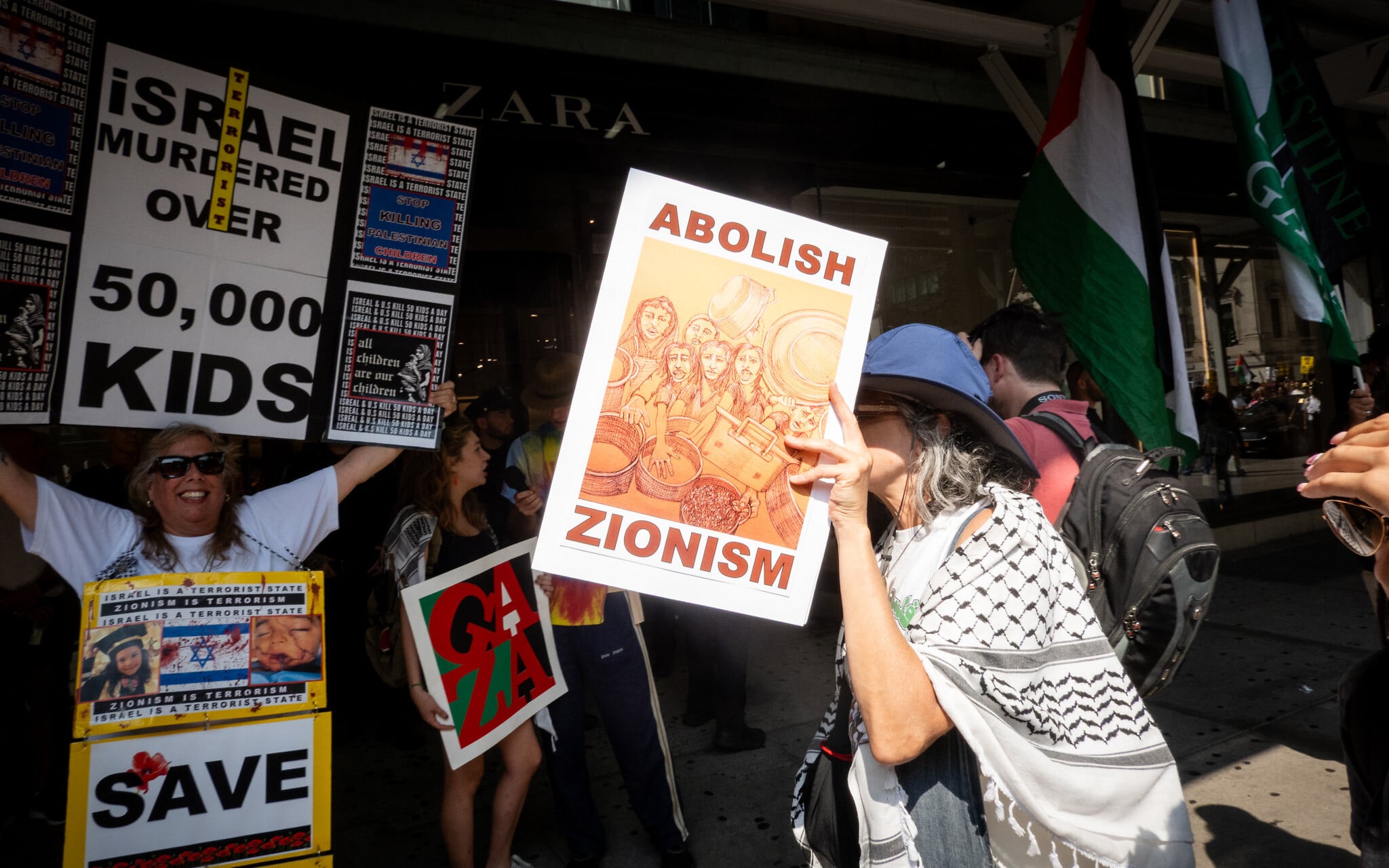
The high-profile dispute highlighted how the blurred lines between antisemitism and anti-Zionism play out on New York City streets and in public spaces.
Some Jews argue that anti-Zionism overlaps with or causes, or constitutes antisemitism, while anti-Zionists claim the movement is purely political and not discriminatory.