National groups start ICE watcher training ahead of third mass protest scheduled for March.
Two people have been killed this month in Minnesota while monitoring the activity of immigration officials, but that hasn’t deterred tens of thousands of others who appear eager to volunteer for similar roles.
More than 147,000 people all over the country signed up for an online training session on Jan. 26, learning how to lawfully monitor and record immigration arrests. The next training, run by national protest and organizing groups, is scheduled for Feb. 5.

Are immigration agents’ tactics legal? Minneapolis says no.
Another American citizen has been shot and killed by US immigration officers as protests against ICE and border patrol intensify across the nation.
Since the immigration surge in Minneapolis began in December, organized neighbors have tracked immigration agents through private messaging groups, warned immigrant neighbors using whistles and car horns when arrests appear imminent, and filmed arrests to provide a record of the encounters.
Two of those observers, Renee Nicole Good and Alex Pretti, were shot and killed by immigration agents. Trump administration officials have referred to both as “domestic terrorists” who should not have interfered.
The trainings are a way for the groups to help prepare Americans for how to respond when and if immigration enforcement arrives in their areas to conduct large-scale deportations, said Ezra Levin, co-founder of Indivisible, a civic organizing group that helped lead the trainings.
“They are coming for you. ICE is not stopping in Minneapolis, Maine, L.A. or just the blue cities,” Levin said. “If you want to be prepared for what to do when ICE is ransacking your community, now is the time to get trained up; that’s what we need people doing.”
Indivisible is part of a coalition of activism organizing groups that have planned two No Kings protests that took place in thousands of cities across the country in 2025 and drew millions of Americans into the streets to protest Trump.
The next No Kings Day is scheduled to take place on March 28, he said. Minneapolis and St. Paul are expected to be among the flagship locations of the protests, which will again be decentralized, occurring in big, medium and small cities and towns across the country.
Levin said the majority of people who attended this week’s one-hour training were not Minnesotans, but people who wanted to be prepared in case they need to respond locally. There are two more trainings planned, but Levin said he expects more to occur before the March protests.
Minnesotans organizing
A flood of Minneapolis residents have been monitoring Immigration and Customs Enforcement and Border Patrol’s actions in the city since the agencies arrived to conduct mass immigration arrests in December.
Neighborhood groups work to identify and track the vehicles agents use, blow whistles to warn immigrants to run or hide when officials approach and try to obtain identifying information so they can notify the family of those arrested. They also coordinate school drop-offs and deliver groceries to people afraid to leave their homes.
Their efforts build on tactics developed in Los Angeles, Chicago and other cities targeted by heavy immigration enforcement last year.
In Minneapolis, a citywide coordinating group, Defend the 612, directs people to hyperlocal ways they can help, and some residents have taken a virtual training offered by a national group called States at the Core. But the efforts are decentralized and left up to neighborhood-level organizers.
Many more Minneapolis residents have flocked to the streets to protest and monitor the presence of federal immigration agents following the shooting deaths of two observers earlier in January.
FBI Director Kash Patel told conservative podcaster Benny Johnson on Jan. 26 that he had opened an investigation into the Signal group text chats that Minnesota residents are using to share information about federal immigration agents’ movements.
Patel said in the interview that he wants to know whether any Minnesota residents had put federal agents “in harm’s way” with activities such as sharing agents’ license plate numbers and locations.
Pretti, 37, was an intensive care nurse who treated sick veterans before he was pinned to the ground by Border Patrol agents on Jan. 24 and shot multiple times. Good, also 37, a poet and mother of three, was fatally shot by ICE agent Jonathan Ross on Jan. 7.
The shootings, which were both captured on video by multiple witnesses, reignited arguments over tactics used by community groups to monitor ICE’s enforcement actions.
Levin said there is a lot to learn from watching how the Twin Cities organized such a robust monitoring and mutual aid system.
“I do not think the broader political world, media world, world in general, has yet appreciated exactly what the folks in Minnesota have pulled off,” Levin said. “It is extraordinary organizing on the ground in defense of communities and neighbors.”
No Kings coalition
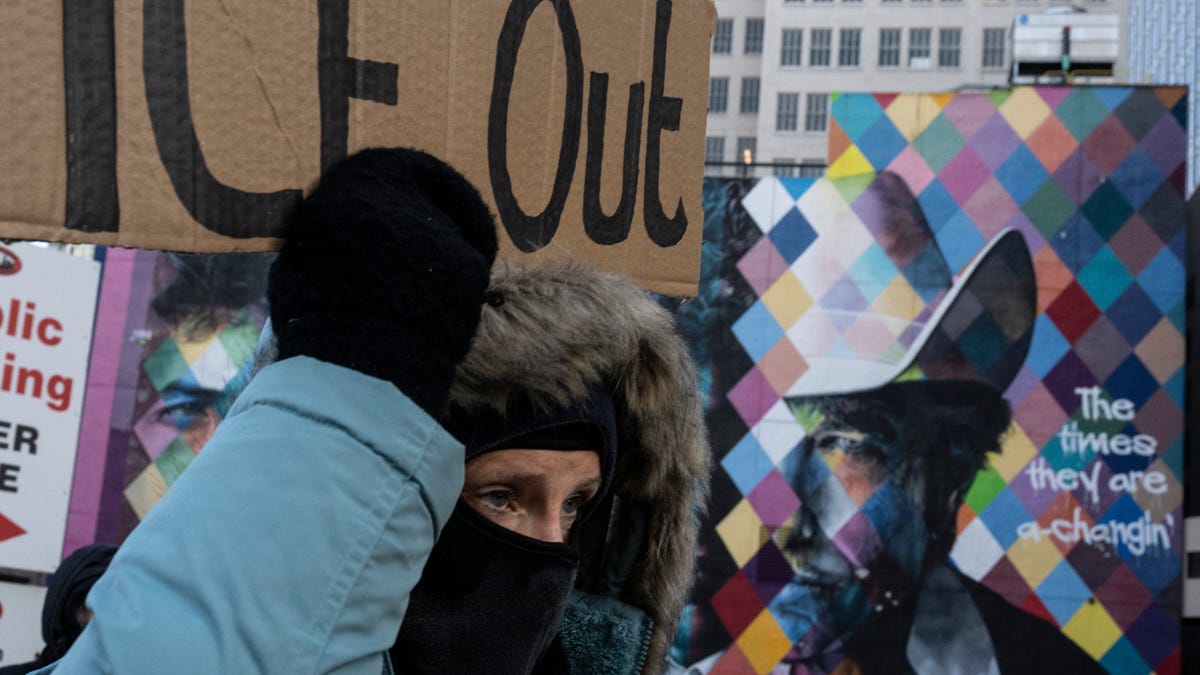
Many of the groups involved in the coalition have a broad network of grassroots activists who engage in rapid-response protests and community events. Levin pointed to the 1,200 ICE Out protests that occurred nationwide just 48 hours after Good’s death.
Levin called the trainings “practical” and “nuts and bolts” information from the ACLU and similar groups about how to legally observe and record immigration officials, including what to do if they are told to stop recording.
At the Jan. 26 training, there “were thousands and thousands of people who have seen what’s happened in the Twin Cities and see what’s happening in Maine and see what’s happening in other communities and see that the legitimate danger and risk from a violent propagandizing regime, and they’re asking themselves, what can I do?” Levin said.
The No Kings coalition has held trainings throughout the year on how to safely protest and de-escalate tensions with police and counter-protesters, but Levin said the number of people who attended the first Eyes on ICE training was “by several orders of magnitude, more than any other training that we’ve ever done in history.”
Levin said Americans should know how to exercise their rights, and should be developing a muscle now that they may need in the months to come.
“It’s really every American’s responsibility to get trained up on what your rights are at this moment and to stand up for them, because if we’re not prepared to stand up for them, we don’t have them,” he said.
Sarah D. Wire is a senior national political correspondent for USA TODAY. She can be reached at swire@usatoday.com