



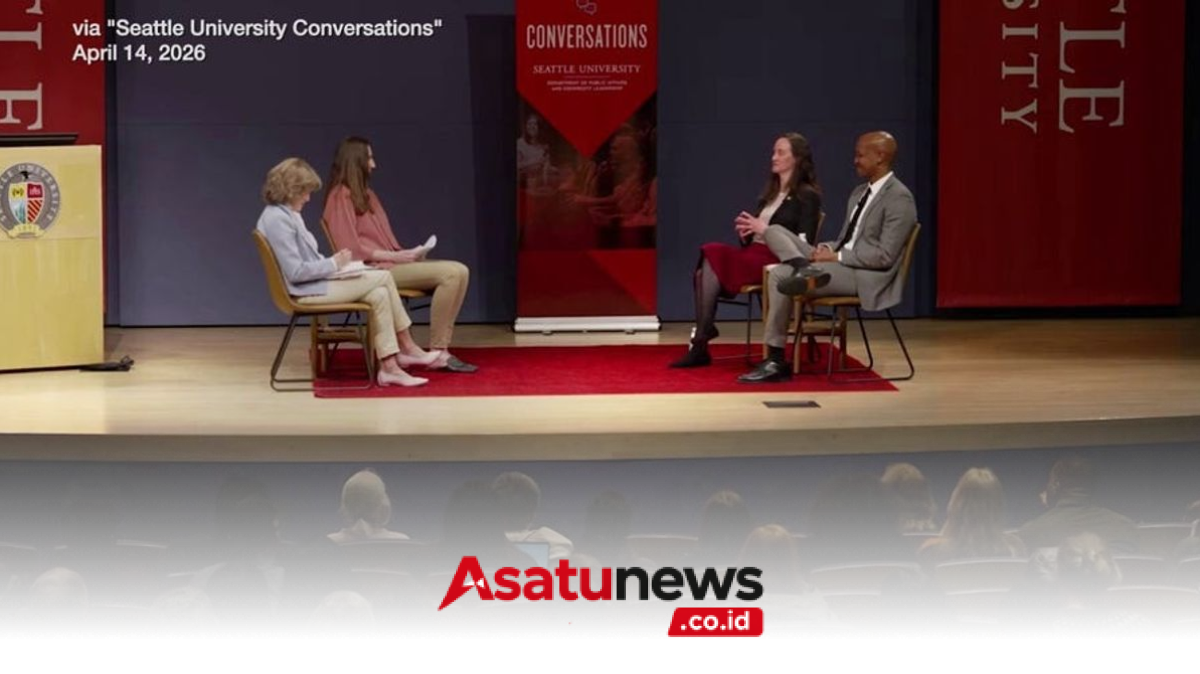
Seattle Mayor Katie Wilson dismissed warnings of a millionaire exodus during a Seattle University Conversations event on April 14, 2026, following the implementation of Washington’s new 9.9% income tax. The Democratic Socialist mayor suggested concerns regarding wealthy residents fleeing the state were exaggerated.
The policy shift comes as Washington’s housing market shows signs of a slowdown, with active listings increasing 29% year-over-year while sales remained stagnant. According to MyNorthwest, surveys from the Association of Washington Businesses indicate that the number of firms considering leaving the state has nearly doubled.
“I think the claims that millionaires are going to leave our state are, like, super overblown. And if — the ones that leave, like, bye,” said Katie Wilson, Seattle Mayor.
Wilson addressed the broader fiscal landscape of the region, noting that while she supports progressive taxation, she is mindful of the competitive balance between neighboring municipalities. Seattle currently holds the highest combined sales tax rate in the country at 10.35%.
“In general, we still have the very regressive tax system, and my office is doing a lot of work to look at what our options are in terms of progressive taxation,” said Katie Wilson, Seattle Mayor.
The mayor emphasized that her administration is seeking ways to increase revenue without driving up the costs for businesses to employ workers within the city limits.
“We do have more flexibility at the city, at the county, in terms of our taxing authority. And at the same time, I believe what I said before, which is that, it’s not good for Seattle’s business environment, for example, for the cost of doing business in downtown Seattle to be wildly out of step with, for instance, neighboring Bellevue,” said Katie Wilson, Seattle Mayor.
Despite the mayor’s optimism, major corporations have already begun shifting operations. Starbucks recently announced a $100 million investment to create 2,000 jobs in Nashville, Tennessee, a move Fox 13 reports could cost Seattle $750 million in future tax revenue.
“We have a large structural budget deficit at the city that we’re going to have to figure out how to deal with in this upcoming budget cycle,” said Katie Wilson, Seattle Mayor.
Wilson stated that her budget staff is currently reviewing existing programs to identify inefficiencies and potential cuts to address the city’s financial gap.
“And my budget office, budget staff are hard at work trying to figure out both how we can use our revenue as effectively and efficiently as possible. And I think similar refrain to the executive, right, if there are programs that aren’t fulfilling their promise that aren’t working, like we’re not going to be afraid to end them, right?” said Katie Wilson, Seattle Mayor.
The mayor further argued that a progressive political stance does not necessarily require continuous increases in municipal spending.
“And so I think that being a progressive doesn’t necessarily mean that we keep layering on spending, and we never stop doing things, right?” said Katie Wilson, Seattle Mayor.
Wilson concluded by suggesting that the city may be able to manage its upcoming fiscal challenges without introducing additional revenue streams at this time.
“So I think it’s — that’s really important. And at the same time, we probably aren’t going to need new revenue,” said Katie Wilson, Seattle Mayor.
Reflecting on the political climate, Jason Mercier of the Mountain States Policy Center compared the situation to a musical exchange between states.
“A couple of Beatle songs come to mind. The first is ‘Taxman,’ and then Seattle says, ‘Goodbye’, and Idaho says, ‘Hello Hello, hello,'” said Jason Mercier, Mountain States Policy Center representative.
Criticism of the mayor’s stance also came from local media, where radio host Jason Rantz characterized her response as an indifference to flashing economic red flags. These developments follow Wilson’s election victory last November, where she defeated incumbent Bruce Harrell.
“That is why I am proud to join them on their picket line and proud to say loud and clear, I am not buying Starbucks and you should not either,” said Katie Wilson, Seattle Mayor.
This statement, previously made during a labor protest, underscores the mayor’s strained relationship with the city’s largest corporate entities as the new tax policies take effect.