



Well. My goodness. Allegations of rape and sexual assault have arisen from a reality show built around the conceit of strangers “marrying” each other at first sight, then cohabiting in the full expectation that “marital” relations will ensue – and if not, they will be quizzed by a panel of “experts” as to why not. All this, and under the pressures of filming and the medium’s insatiable appetite for emotional drama and conflict, plus manufactured situations such as group dinner parties to encourage any grievances to burst into flames on top of that? The only possible true surprise here, surely, is that this hasn’t happened before.
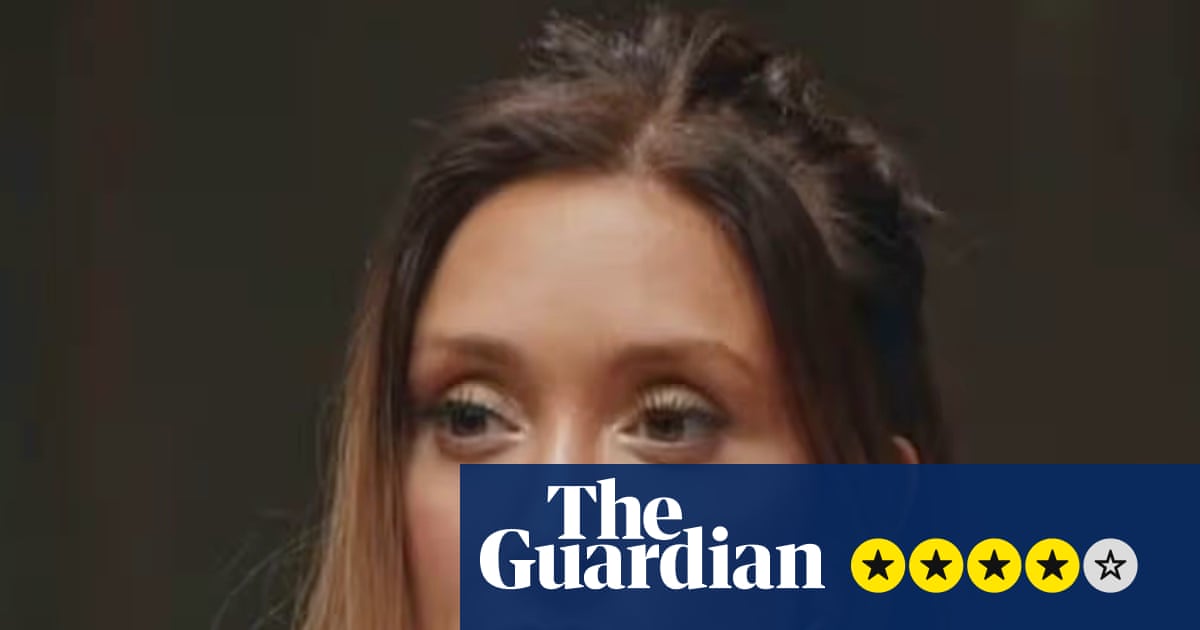
Panorama’s latest exposé, The Dark Side of Married at First Sight, is presented by Noor Nanji, who has previously worked on investigations into the allegations of various forms of sexual and other misconduct behind the scenes at the BBC hits Strictly Come Dancing and MasterChef. This time, the focus is on allegations by three former “wives” who appeared on Channel 4’s wildly popular show (10 series and – at least until now – counting), known by fans as MAFS, or MAFS UK to distinguish it from the international editions that have developed since the original Danish version in 2013.
Lizzie and Chloe – not their real names, and actors are used to voice the women’s words in the half-hour broadcast – say that they were raped by their on-screen husbands, and Shona Manderson, who speaks in person, says she was subjected to a non-consensual sex act. All the men deny the claims.
Lizzie describes how once they were on their “honeymoon”, her on-screen husband started displaying an explosive temper. After they started sleeping together, she says, the sex turned violent, leaving her with bruises. She says that he told her if she told anyone about it “he would get someone to throw acid at me” and later – “You can’t say no, you’re my wife” – raped her.
She says that although she made the programme-makers, CPL Productions, aware of the acid threat and her bruises, filming continued and the show was broadcast. After it aired, “I took a nosedive … I had to start being honest,” and she told CPL that she was raped. Channel 4 was made aware but say that: “It would be wrong to assess contemporaneous welfare and editorial decision-making by Channel 4 and CPL based on knowledge they didn’t have at the time.”
Chloe tells a similar tale. “I said no. He smirked, moved my leg, climbed on top of me and proceeded to have sex with me anyway … I didn’t want him to be angry with me when the cameras came. I just lay there and stared out of the window.” She says he got angry with her for not shouting and pushing him off if she didn’t want it. “You’re making me feel like a rapist!”
There is enough in this half-hour programme to fuel a hundred, a thousand documentaries. And that’s before you factor in the responses proliferating on social media: that the women’s “failure” to report the attacks to police means that they are liars in pursuit of lucrative compensation claims, that going on a reality show means that you are an attention-seeker who has just found another way to seek it (or that you, somehow, deserve everything you got), that a man’s decision not to pull out is a meaningless act, and so on and on – and what they tell us about sociocultural attitudes and sexual politics today.
The programme itself is largely concerned with timelines – when did CPL and Channel 4 know which allegations, when should filming or broadcasting have been stopped – and what duty of care is owed by commissioners and programme-makers to their contributors. This is surely what will most concern the people carrying out the external review into contributor welfare that was commissioned last month and the lawyers doubtless massing around the companies and individuals concerned.
For those watching, however, the takeaways might be slightly different. Those entirely unfamiliar with the show might be boggling at the very idea of it. Those more jaded might limit themselves to sighing at the notion that any amount of pre-show vetting, welfare and psychological support (and CPL says its protocols are “gold standard” and “industry-leading”) can guard against harm in a situation where strangers of the opposite sex are put together, isolated from friends and family, required to take part in “games” (such as ranking the attractiveness of other contestants in front of partners) that increase volatility, and are subject to intense pressures to perform in all sorts of ways they might otherwise be able to resist. And all in a world where violence against women and girls from men is rampant and so widely tolerated as to be largely invisible and virtually decriminalised.
If this is the end of MAFS, I’ll be delighted. If it’s not, I won’t be at all surprised.
Panorama: The Dark Side of Married at First Sight aired on BBC One and is available on iPlayer