



In-brief analysis
May 22, 2026
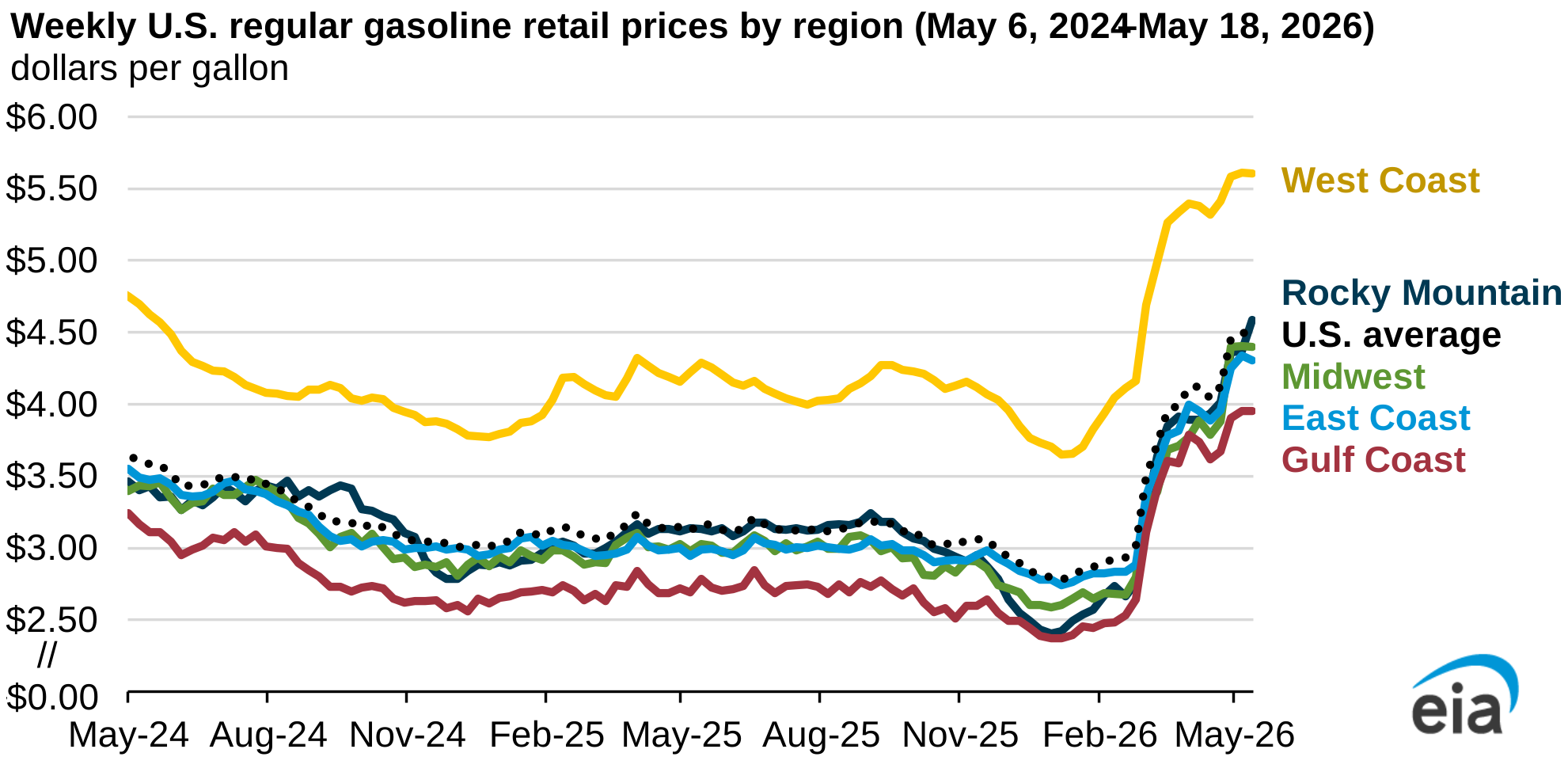
Against the backdrop of a nationwide increase in gasoline prices, regional dynamics including local supply and demand conditions, state fuel specifications, and state taxes influence the different prices drivers see at the pump.
Gasoline prices are higher than in February because of increasing crude oil prices related to the de facto closure of the Strait of Hormuz. The cost of crude oil typically accounts for about half of the retail gasoline price. Retail gasoline prices and crude oil prices remain below those in May 2022.
In recent weeks, temporary refinery outages and refinery maintenance have contributed to price increases in the Midwest and the Rocky Mountain region. In Illinois, Phillips 66’s 356,000 barrel-per-day (b/d) Wood River refinery and Marathon Petroleum’s 253,000 b/d Robinson refinery have been offline for maintenance. In Indiana, BP’s 440,000 b/d Whiting refinery experienced a brief outage after a loss of power disrupted operations. In Colorado, Suncor’s 117,000 b/d Commerce City refinery started maintenance in March and experienced a power outage causing an unplanned shutdown in May.
Midwest retail gasoline prices averaged $4.40 per gallon (gal) on May 18, up 45% ($1.37/gal) from 2025. Rocky Mountain retail gasoline prices averaged $4.59/gal, up 47% ($1.46/gal) from last year.
Retail gasoline prices are usually the highest on the West Coast because of:
- The region’s limited connections with other major refining centers
- Tight local supply and demand conditions
- Higher-than-average state taxes in several West Coast states
- Gasoline specifications for California that make gasoline more costly to produce
West Coast prices on May 18 averaged $5.61/gal, a 31% ($1.32/gal) increase compared with last year. West Coast gasoline imports continue to increase compared with previous years because of lower West Coast refinery capacity.
Gasoline prices are usually the lowest on the Gulf Coast, home to more than half of U.S. refining capacity and lower gasoline taxes than the national average. On May 18, Gulf Coast retail gasoline prices averaged $3.95/gal, up 42% ($1.17/gal) from last year.
On the East Coast, which has the most gasoline demand of the five regions, retail gasoline prices averaged $4.31/gal, up 44% ($1.32/gal) from last year.
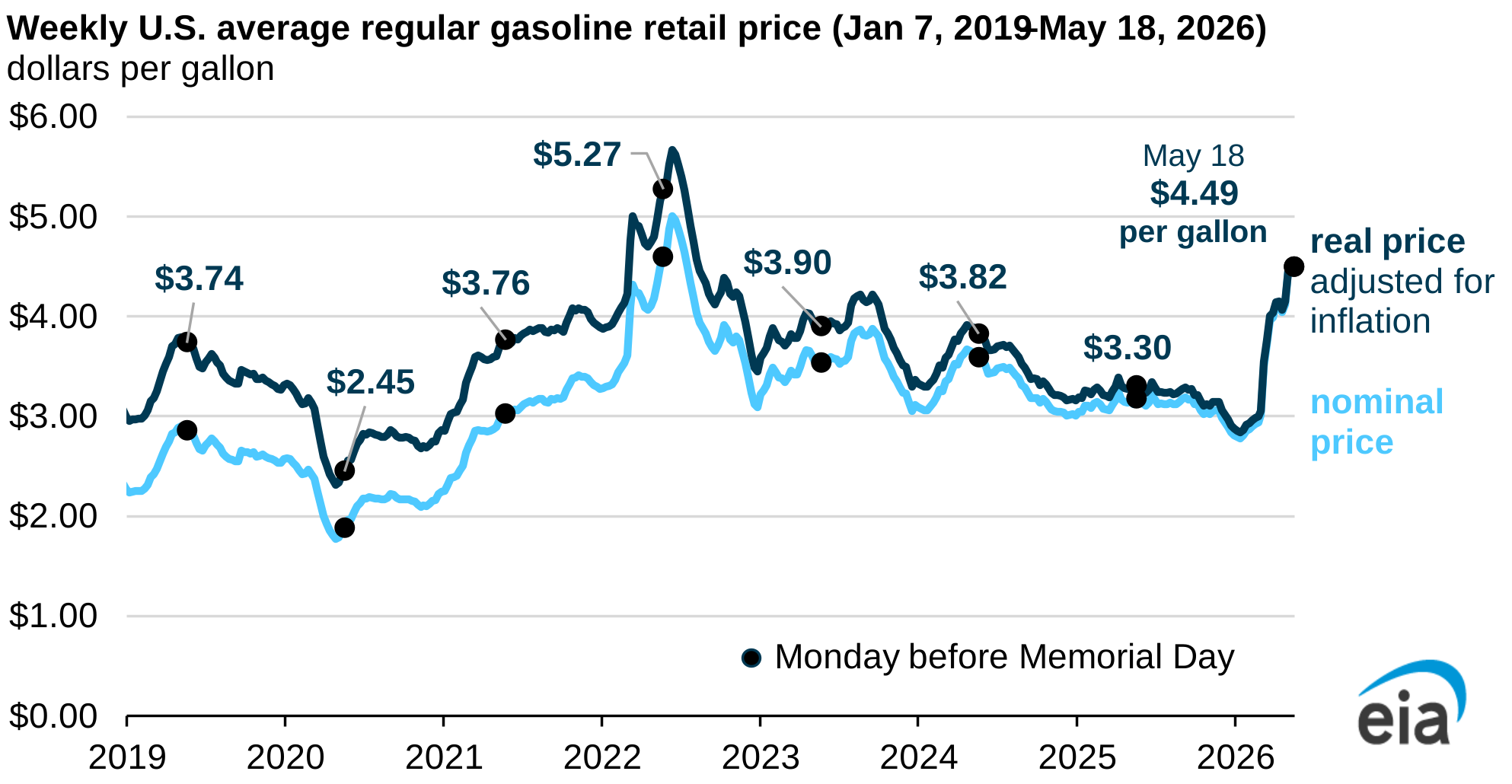
The retail price for regular-grade gasoline in the United States on May 18, the Monday before Memorial Day weekend, averaged $4.49 per gallon (gal), 42% (or $1.32/gal) more than the multi-year low price a year ago. This marks the highest average gasoline price for the Monday before Memorial Day weekend since 2022, when Russia’s full-scale invasion of Ukraine led to large increases in crude oil prices.
As in 2022, after Russia’s full-scale invasion of Ukraine, retail gasoline prices increased rapidly this year because of substantially higher crude oil prices following geopolitical events; this year the de facto closure of the Strait of Hormuz has limited crude and product supplies on the global markets. Crude oil is traded on global markets, and international prices affect the price of crude oil in the United States. Although the United States is the world’s top crude oil producer, U.S. oil companies are active participants in global trade, both exporting and importing crude oil to and from the United States.
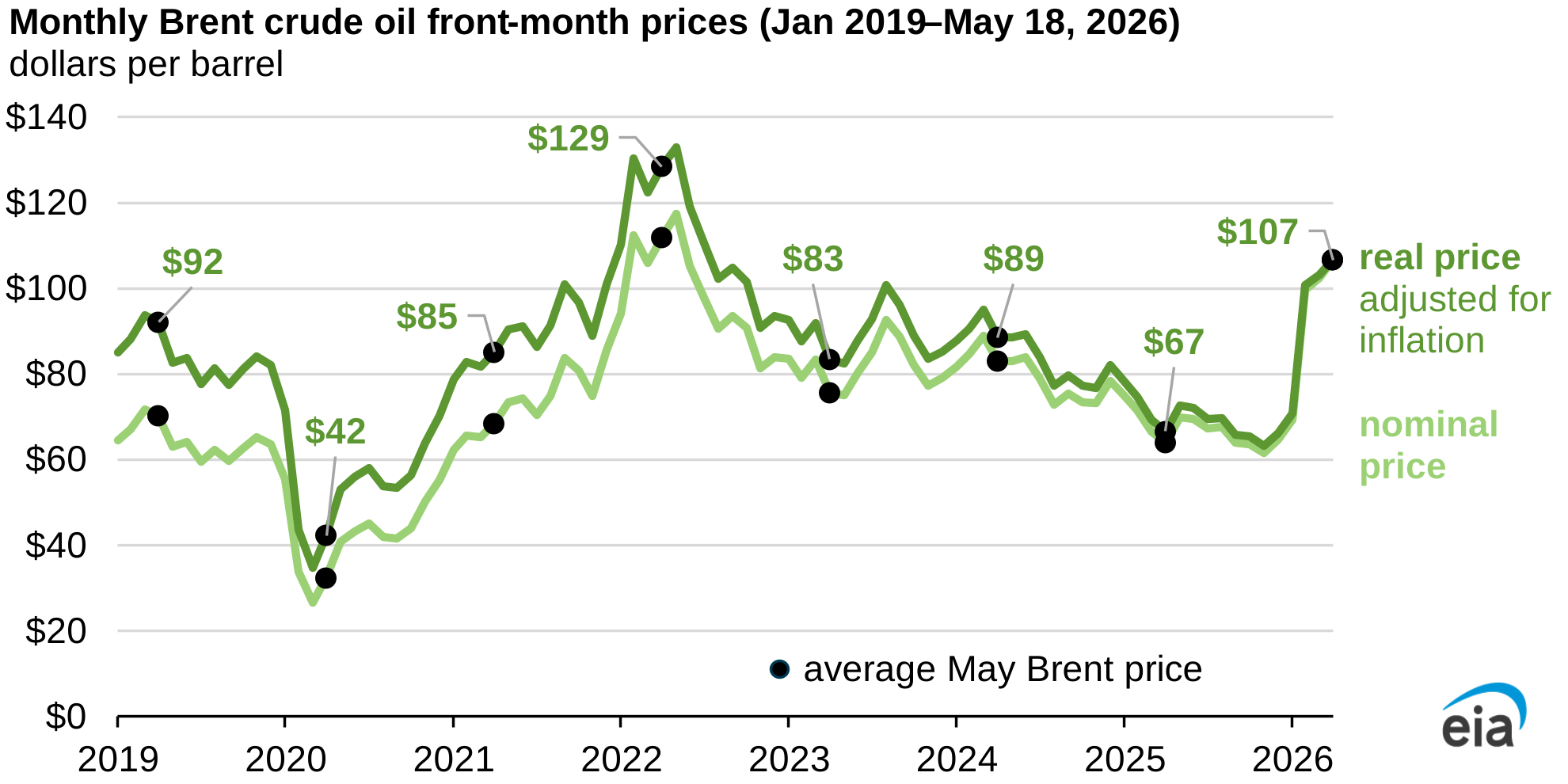
Data source: Bloomberg L.P. and the U.S. Bureau of Labor Statistics
Note: Real prices are adjusted to May 2026 dollars.
In response to the disruption in the Strait of Hormuz, the United States is releasing crude oil from the Strategic Petroleum Reserve as part of a coordinated effort with the International Energy Agency. The United States is temporarily allowing nationwide sales of E15 gasoline, issuing waivers under the Jones Act to facilitate oil trade between U.S. ports, and relaxing federal enforcement of summer-grade gasoline standards with the aim of gasoline prices.
Memorial Day weekend is one of the biggest travel weekends of the year, and many of those travelers will go by car. The American Automobile Association (AAA) expects 39.1 million people will travel by car over Memorial Day weekend this year, about the same as last year.
Principal contributor: EIA Staff
Source link
See more: https://theglobaltrack.com/
https://corinthiames.com.br/