




Trump signs order to speed up access to psychedelic drugs
It directs the FDA to expedite its review of certain psychedelics already designated as breakthrough therapy drugs.
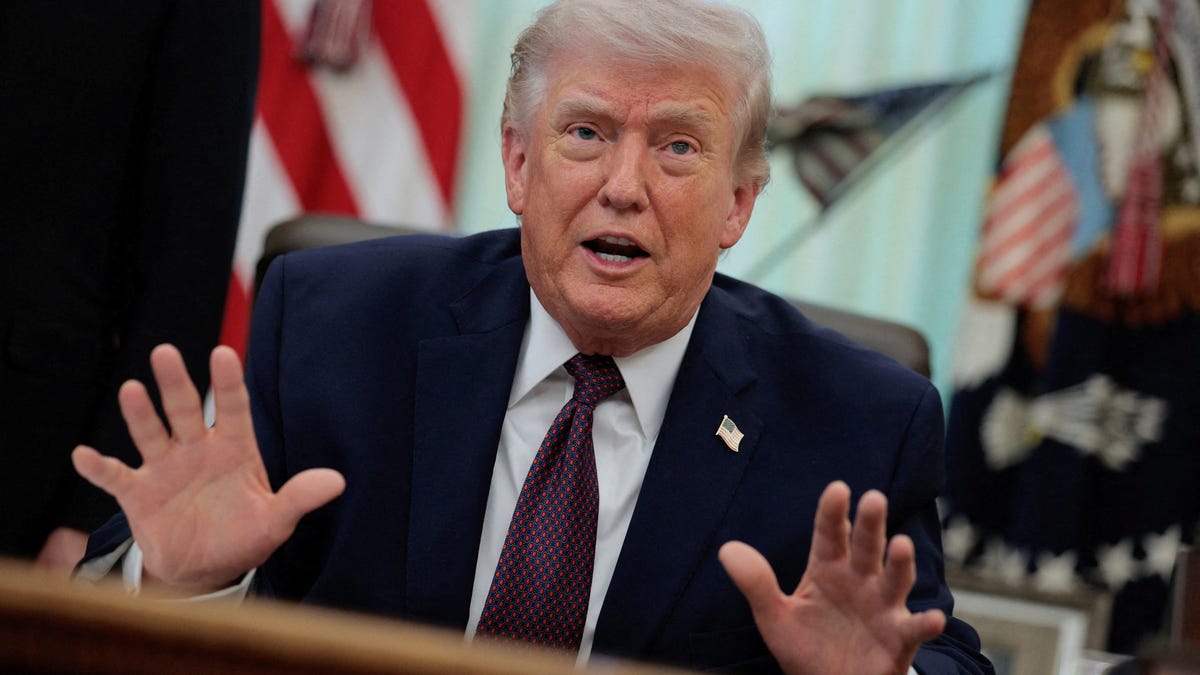
President Donald Trump is delivering on a campaign promise to lower prescription drug prices as Americans say healthcare affordability is a top concern. The most effective strategy to-date? Pressuring other countries to pay their fair share for Made-in-America medicines. The U.S. has already inked a deal with the U.K. and should pursue similar agreements with others.
The cost to access prescription drugs in the U.S. is certainly higher than it should be. While prices for generic medications — which account for nine in 10 prescriptions — are cheaper in America than in other developed countries, brand-name products are not. And that’s a considerable issue given these are the new, innovative treatments and therapies coming to market.
The reason why is complicated.
Sure, the domestic healthcare industrial complex is partly to blame. Drug middlemen, large hospital networks and quasi-government insurance companies all have a hand in increasing medicine prices for Michiganians. The high costs are why more and more families are turning to direct primary care — an alternative to traditional insurance-funded, hospital-based medical service that can save patients money by bypassing the healthcare system.
But there’s also a big geopolitical factor. For too long, foreign governments have been freeloading off the U.S. Their socialized health services refuse to pay market prices for American-made drugs — leaving patients in Michigan to pick up a lopsided portion of the research and development tab. When it can cost upwards of $2 billion to bring a new medicine to market, splitting the check proportionally is important.
Imagine walking into a cool movie theater to escape the summer heat, but some customers are able to purchase a ticket, soda and bucket of popcorn at half price simply because they flash a German or French passport. That’s how backwards the global medicine market pricing scheme is today.
The recent trade deal finalized with the U.K. is helping to remedy this rotten situation. In exchange for favorable import terms, the British have agreed to pay more for American-made prescriptions through its National Health Service (NHS). In practice, that means U.S. drugmakers can continue to cultivate a robust pipeline of medical innovations while our friends across the pond cover a bigger chunk of the financing.
Although it’s a good first step, Trump needs to keep the pressure on. The White House should be pursuing similar deals with more nations that are taking advantage of Michiganians and patients across the country. Perhaps Germany or France should be next on the list.
Frustrations around prescription drug prices in the U.S. are boiling over. Domestic policy reforms that address the inflationary pressures within the medicine supply chain can certainly help. But that stateside approach should also be paired with a geopolitical strategy that holds our allies accountable.
Chad Savage, M.D., is a policy fellow at the Docs 4 Patient Care Foundation and the founder of YourChoice Direct Care in Brighton.