




Detroit Pistons are favored to beat the Cleveland Cavaliers in the Eastern Conference semifinal.
The Engine Room: Curtis, Tarohn pick the Pistons in seven games against the Cavaliers.
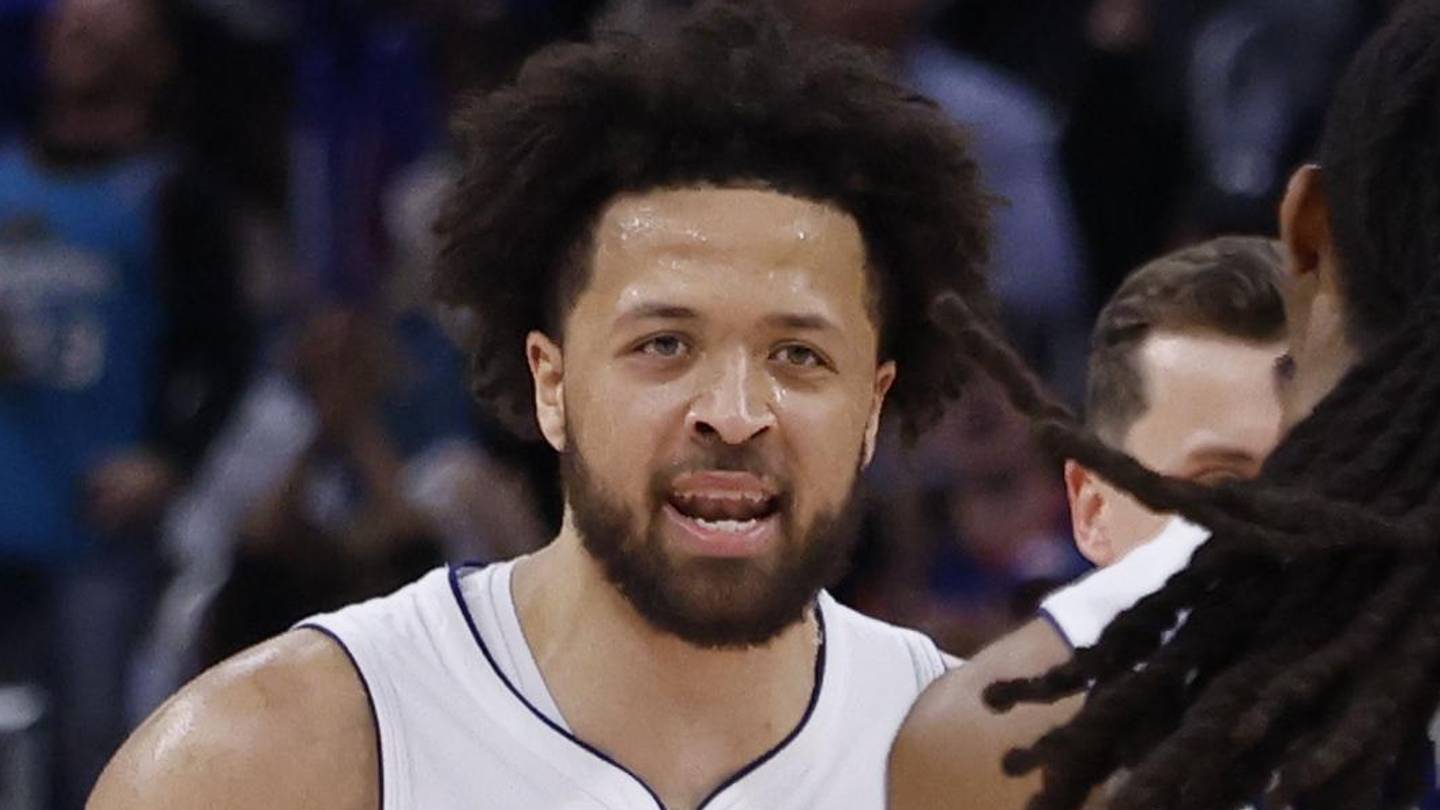
Detroit — Before the Pistons’ 111–101 victory over the Cavaliers in Game 1 of the Eastern Conference semifinals, Cleveland head coach Kenny Atkinson spoke about the familiarity between the two teams and how it could help from a scouting perspective.
“We had a little bit of a cram session to prepare for the series,” Atkinson said. “Our players ask a lot of questions. These guys know plays and schemes as well as, if not better, than we do.”
While many of the Cavaliers’ core players previously played for Pistons head coach J.B. Bickerstaff, who spent four-plus seasons as the head coach in Cleveland, only one Cavalier has played for him in Detroit: reserve point guard Dennis Schröder.
Schröder returned to Detroit on the opposing sideline after helping stabilize the Pistons’ backup point guard position last season. He played a key role in their postseason run after being acquired in a multi-team deal before the trade deadline.
“We had a good time with Dennis,” Bickerstaff said. “He helped us a lot with what we were trying to do, and he came in at the right time for both him and for us. The small tricks he knows, those are lessons for guys. He puts players in better positions and takes pressure off them.”
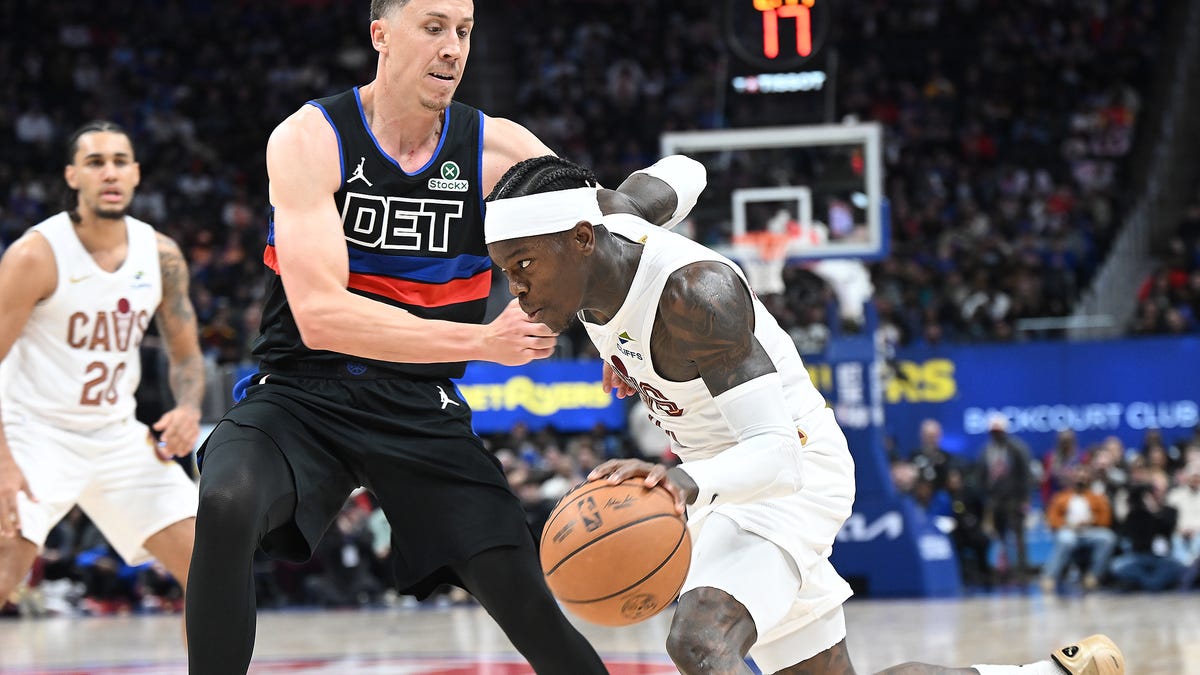
Schröder finished Game 1 with nine points, three assists, and one rebound in 16 minutes, with most of his production coming in the third quarter.
After scoring an easy transition basket, Schröder converted a nearly identical play minutes later. He used a hesitation dribble before turning a quick crossover into a layup to cut the Pistons’ lead to four. He also collapsed the defense on drives multiple times and kicked out a pass to Max Strus, who finished with 19 points off the bench.
Schröder’s impact goes beyond the stat sheet. Last season, he provided the Pistons with veteran leadership and lineup versatility, whether running the offense alone or alongside Cade Cunningham. He has brought that same presence to Cleveland.
His path to the Cavaliers followed a familiar pattern. After signing a three-year, $45 million deal with the Sacramento Kings, Schröder was once again moved midseason to a playoff team after a slow start in California.
Following Cleveland’s trade of Darius Garland to the Los Angeles Clippers for James Harden, Atkinson needed a reliable ball handler when Harden or Donovan Mitchell were off the floor. He turned to Schröder, whom he had previously coached as an assistant.
Schröder also brings gritty defense, a competitive edge, and an outspoken, in-your-face personality.
Tempers flared early in the fourth quarter when Schröder stood over Duncan Robinson after a fall and then pushed Ron Holland II, drawing a technical foul. He also showed visible frustration during the previous series against the Toronto Raptors after a turnover led to fast-break points.
Although no longer with Detroit, Schröder said he’s enjoyed watching the team’s growth.
“Last year was special,” Schröder said. “After so many years, we were able to win a playoff game. I’ve stayed close with those guys. Seeing them go from one of the worst teams to one of the best makes me really happy. Watching the battles they went through and seeing Cade and the guys stick with it, it means a lot to me. It’s great for the organization.”
Earlier this season, Bickerstaff credited Schröder for being “a huge part of the growth of this team.”
“That’s what young players need — a guy who can be out there with them and show them how. I thought he did a great job without taking away from their development,” Bickerstaff said.
One of those young players is Daniss Jenkins. He finished Game 1 with 12 points, seven rebounds, four steals, and three assists in 29 minutes, and spent much of the night guarding Schröder after inconsistent minutes early in the playoffs.
“He’s grown,” Bickerstaff said. “That’s the story with DJ. Every step of the way, you see him learn, take experience, and get better. Early on, he was trying to get comfortable, but you could see the progress. Now it’s carrying over.”
Jenkins spent last season behind Cunningham, Schröder, and Marcus Sasser while on a two-way contract. Though quiet off the court, he shares Schröder’s confidence and edge during games.
After the Pistons sent Schröder to Sacramento on a sign-and-trade deal and injuries sidelined Sasser and Jaden Ivey, Jenkins seized the backup point guard role and held onto it.
He was elevated from his two-way contract later in the season, and Detroit opted not to acquire another veteran guard at the trade deadline. Jenkins responded with key performances, including leading the team during a stretch when Cunningham missed 11 games with a collapsed lung.
Before joining Detroit, Jenkins took an unconventional path, including a stint at junior college in Odessa, Texas. Robinson, who played Division III at Williams College before transferring to Michigan and eventually earning a contract with the Miami Heat, praised Jenkins’ journey.
“His path is unique and takes a special level of will and character,” Robinson said. “The talent is there, but what stands out is his unshakable confidence. He’s been overlooked his whole career and uses that as motivation. It’s fun watching him play with that energy on both ends. Having another ball handler out there makes a big difference for Cade. We see the work he puts in every day, so it’s great to see him have this moment. He deserves it.”
Tarohn Finley is a freelance writer.