




Rocket Lab (RKLB) has undergone a fundamental valuation rerating, with its stock delivering a 240 percent return over the past year to reach a 45.4 billion dollar market capitalization. (See why RKLB stock moved). The Q1 2026 results indicate that the company has transitioned from its origins as a small-cap launch provider into a large-cap aerospace prime mover. Revenue surged 63.5 percent year-over-year to a record $200.3 million, surpassing the $193.5 million consensus estimate. This growth is paired with a total backlog that spiked 108 percent annually to $2.2 billion.
Despite this operational strength, the stock remains subject to the volatility typical of high-growth technology sectors, where strong financial results are balanced against the execution risks of future hardware programs. Similar to the momentum seen in our analysis of Is the Fortinet Stock Rally Sustainable?, investors are increasingly prioritizing companies that can translate market dominance into a clear path toward sustained profitability.
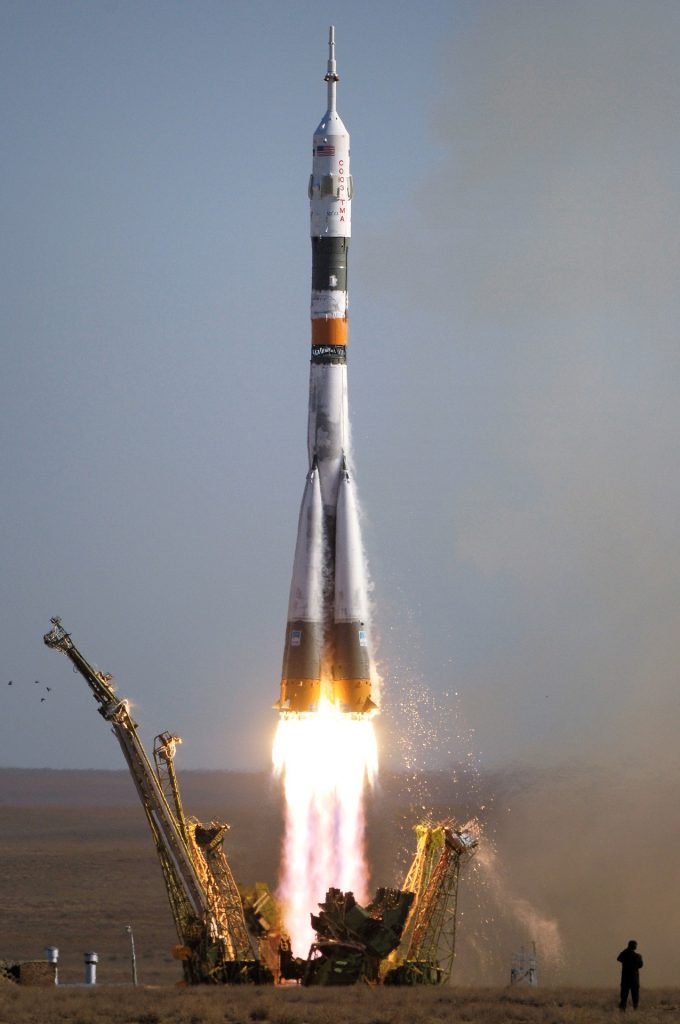
Image by WikiImages from Pixabay
The Space Systems Margin Engine
A critical insight within the current financial performance is the dominance of Space Systems over launch services. Space Systems contributed $136.7 million to Q1 2026 revenue, representing approximately 68 percent of the top line. This segment produced a non-GAAP gross margin of 43 percent, significantly outperforming previous management guidance. By integrating high-margin components like the Gauss propulsion system and solar cells, Rocket Lab is insulating its balance sheet from the more capital-intensive launch business. The company is leveraging this cash flow for vertical integration, evidenced by the May 2026 acquisition of Motiv Space Systems, which brings Mars-proven robotics capabilities in-house. This strategy effectively turns Rocket Lab into an end-to-end infrastructure provider, where rocket launches serve as a delivery mechanism for its own high-value proprietary hardware.
The Neutron Binary And Execution Risks
The company’s $45.4 billion valuation reflects high market expectations for the successful Q4 2026 debut of the Neutron rocket. Management recently secured its largest contract to date: a multi-launch agreement for five Neutron and three Electron missions. However, the Q4 timeline remains an aggressive schedule. Ongoing development includes Archimedes engine qualification at NASA’s Stennis Space Center and tank design refinements following earlier testing hurdles. The primary risk is that any material delay beyond 2026 would extend the period of heavy cash burn, with non-GAAP operating expenses projected to reach up to $126 million in Q2 2026. This creates a risk profile where infrastructure growth provides a commercial floor, but the Neutron program remains the primary catalyst for further valuation expansion. For a deeper look at why this binary event is the gatekeeper to a much larger $400 billion valuation endgame, see Rocket Lab’s $35 Billion Valuation Makes Little Sense – Until You Look at 2035.