



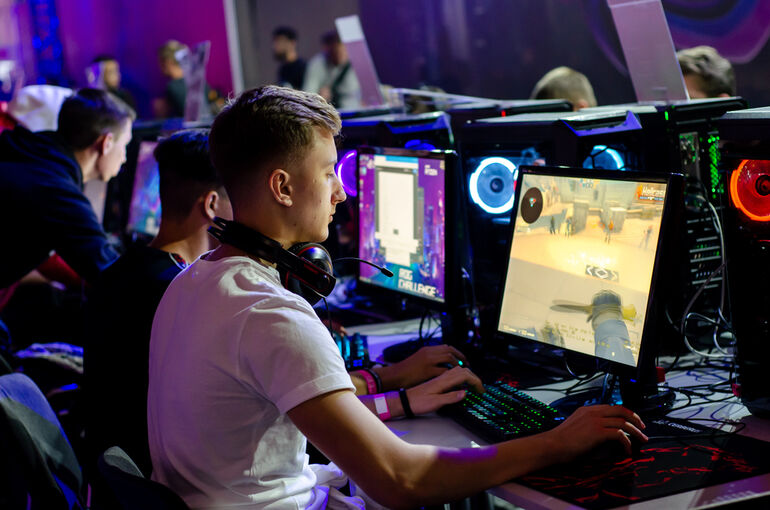
Have you ever found yourself glued to a livestream, and you have no idea what day it is? You’re not alone. Live video streaming sites, such as Twitch, YouTube Gaming, and the upcoming platform Kick, are capturing esports followers worldwide, including in Canada. By 2025, esports will be a big business, watched by more than 640 million people, and it will keep on growing. These platforms are more competitive than ever in attracting viewers and content creators as they expand. Music is part of that momentum, streamers often use tracks to set the mood, artists debut new work through live sessions, and communities form around shared playlists as much as gameplay. For musicians and fans alike, these spaces aren’t only about competition; they’re shaping how people discover and experience sound in real time.
How Much More Popular Is Streaming?
First off: esports is booming. In this industry, revenue is projected to grow by 16 percent to approximately $1.79 billion by 2023, compared to 2022. The audience is estimated to reach 640 million fans by 2025, with the majority of viewers watching games on their mobile phones. Alongside this rise, interest in other forms of digital entertainment, like online slots Canada real money platforms, is also growing, as users look for interactive ways to engage and potentially win while on the go. The most watched are League of Legends, Valorant, and Counter-Strike 2.
The 2025 Q2 figures indicate a significant increase in streaming, with total hours watched reaching 9.1 billion, a 5% rise over the previous year.
Twitch, YouTube Gaming, and Kick, Where Do They Stand?
Twitch has managed to outperform the other two streaming giants, racking in an impressive 4.64 billion hours watched in the second quarter of 2025, which accounts for a 54 percent market share. However, YouTube Gaming is rapidly progressing, with 2.2 billion hours viewed and a 24% share, up 25% over the previous year. Meanwhile, platforms like Melbet continue to grow in parallel, drawing attention from users who enjoy interactive entertainment beyond traditional streaming.
Then there is Kick, and probably the most startling in this category. In the same quarter, it outperformed 1 billion hours viewed, and it currently holds an 11% market share. It is worth noting that Kick has experienced rapid growth, resulting in a 112% annual increase. This can be attributed to a great extent to its creator-friendly payment structure, where the streamers keep 95 percent of the revenue, and its high-profile acquisitions, such as xQc, who became a part of Twitch.
What Canadian Streamers Are Considering
Many Canadian creators now face a choice: stay on Twitch or shift to Kick. Twitch has established a track record and a broader coverage, but the conditions on Kick are simply difficult to disregard. One may choose the one that will pay better, just like the right gaming slot that will give the best returns.
Quick Look: Platform Stats at a Glance
|
Platform |
Q2 2025 View Hours |
Global Share (%) |
Growth Highlights |
|
Twitch |
~4.64 billion |
54% |
Still leads, but share dipping slightly |
|
YouTube Gaming |
~2.2 billion |
24% |
A big surge, growing faster than others |
|
Kick |
~1 billion |
11% |
Exploding growth, big streamer deals, and creator-friendly |
Why It Matters, Economically Speaking
Here’s why this streaming showdown matters:
- To creators: Choices are increasing. Kick is the best in terms of revenue splits. Discoverability is provided by YouTube. Twitch continues to provide unrivaled audience coverage.
- To fans: The increase in competition implies an increase in signal quality, enhanced engagement functionality, and enhanced community experiences.
- To brands and advertisers: Esports fans are profitable to target, and not every platform has the same strengths in the audience. The live focus is available in Twitch, VOD, and Shorts on YouTube, and Kick targets trend-oriented viewers.
What’s Driving Growth Beyond Just Games
It’s not just esports that’s attracting an audience right now. View durations on platforms like Twitch, YouTube, and Kick just hit record-level averages; livestreaming is still speeding away from the pack. Kick’s audience jumped 29% in May, despite streamers turning on the cameras less frequently. Their streams held attention longer, and that boosted the overall count.
By adding esports programming, including the 2025 Esports World Cup featuring 32 contests and a whopping $71.5 million prize pool in Riyadh, Kick is now a serious contender. Keep an eye on how the fight develops. Music is becoming part of that atmosphere too; major tournaments lean on soundtracks, live sets, and curated playlists to amplify the energy, turning competitions into full-scale cultural events that appeal to both gamers and music fans.
What’s Next for Canada’s Viewers and Streamers
Here are a few trends to watch:
- Multistreaming is probably going to be even more widespread–artists reaching a lot of people in a variety of mediums in order to generate more income and get to their audiences in the most direct way.
- Coverage of events is crucial; major tournaments, such as World Cup qualifiers or local esports, will be a test of strength on the platform.
- Canadian creators have an opportunity to leverage top streamers, as they may negotiate better shows when platforms compete to buy talent.
Esports Streaming Hits a High Note in 2025
In 2025, streaming esports is huge, and the fight to stay on top is fiercer than ever. Twitch is still the king, yet YouTube Gaming is catching up fast, and Kick’s sudden rise is flipping the playbook. For anyone in Canada, that means a bigger stage, whether you’re watching, jumping into the game, or planning to go live yourself. Music is layered into that stage too; streamers rely on background tracks to build atmosphere, and many creators blend live play with personal playlists or collaborations with power play indie musicians, making streams as much about sound as spectacle.